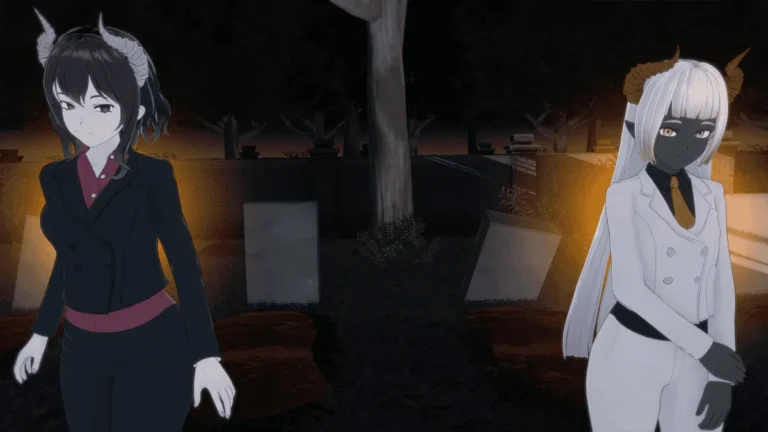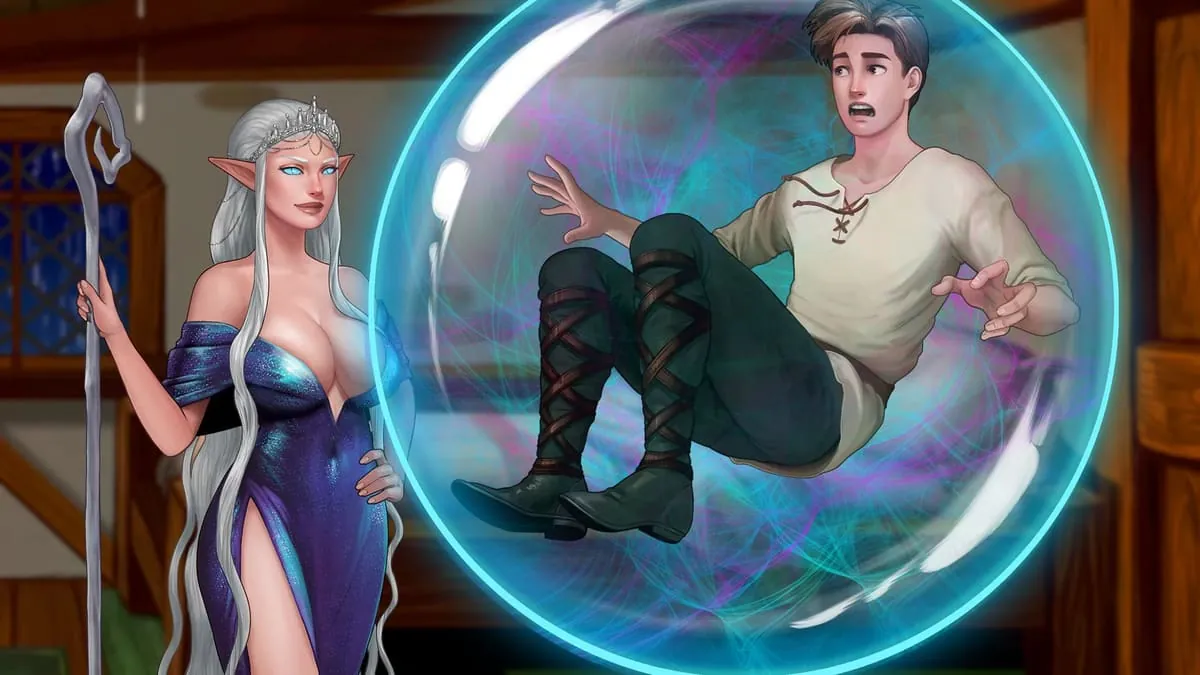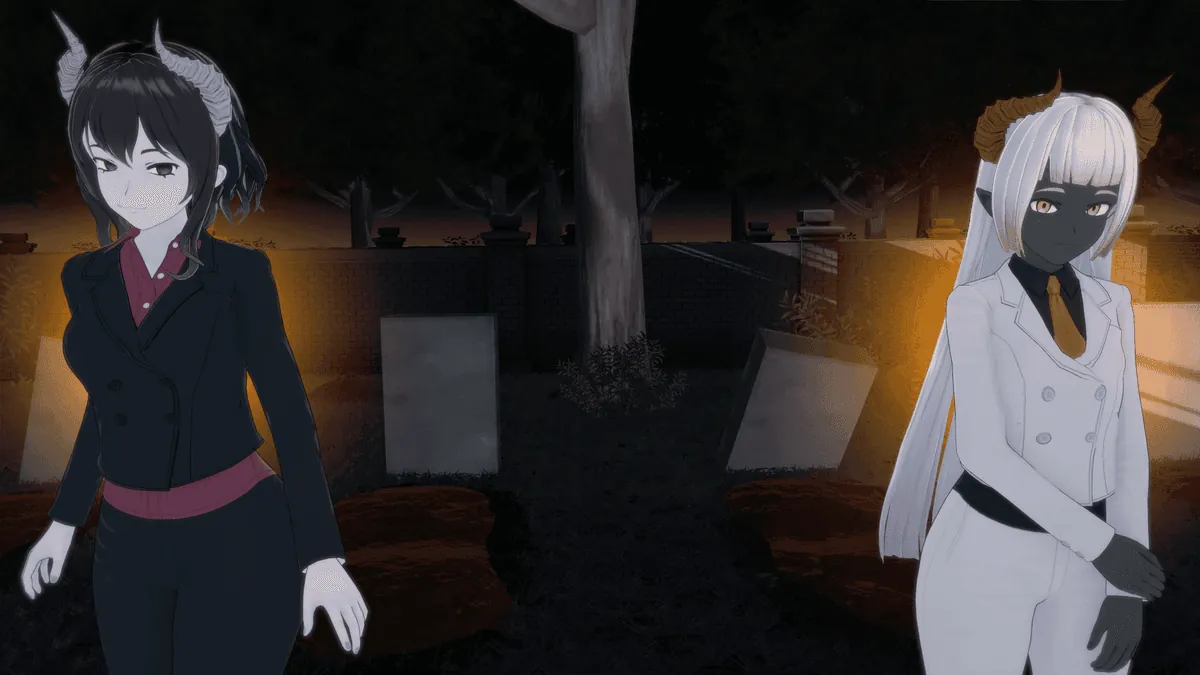
Demons of the Hearth
Play Demons of the Hearth
Demons of the Hearth Screenshots
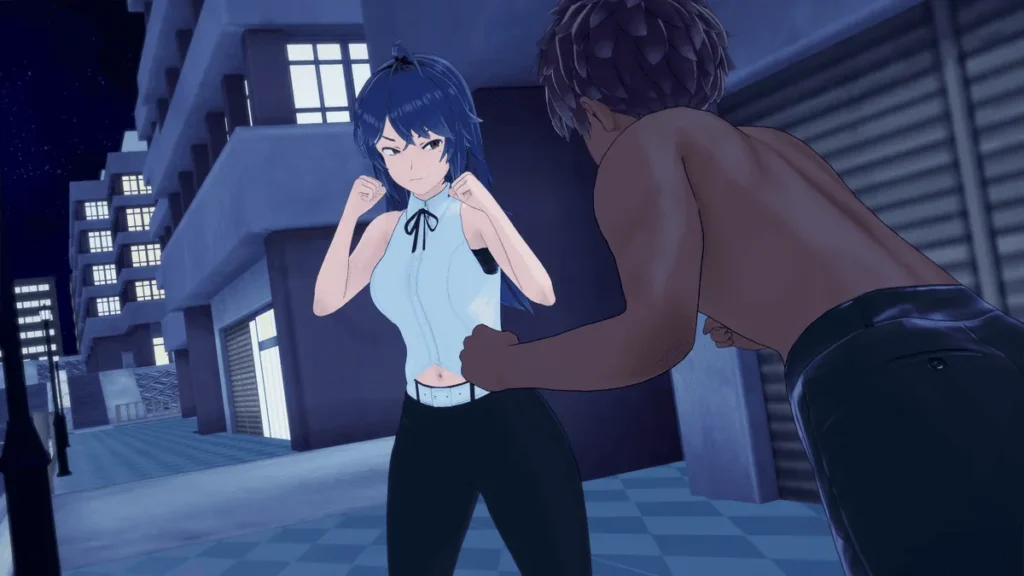
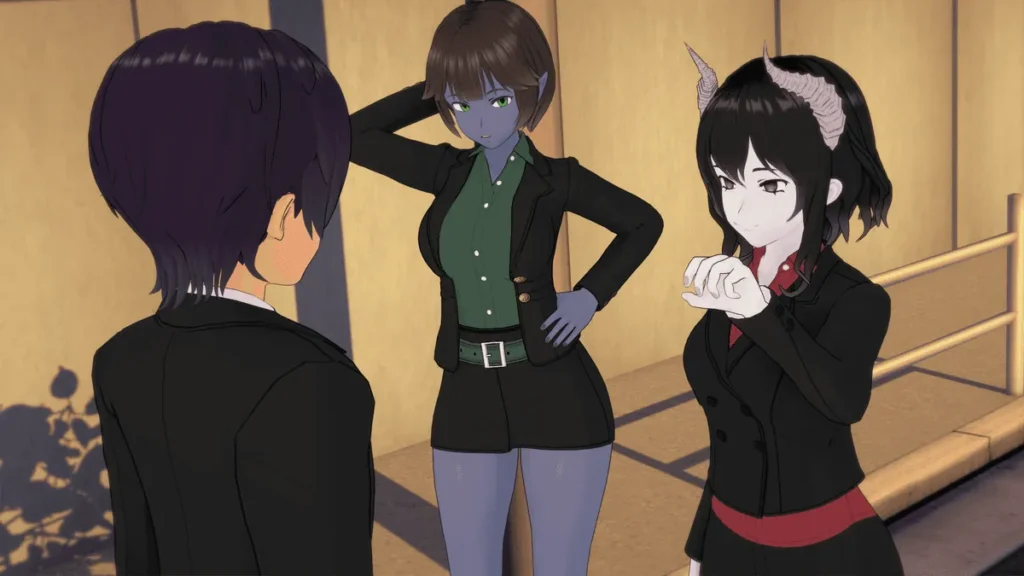
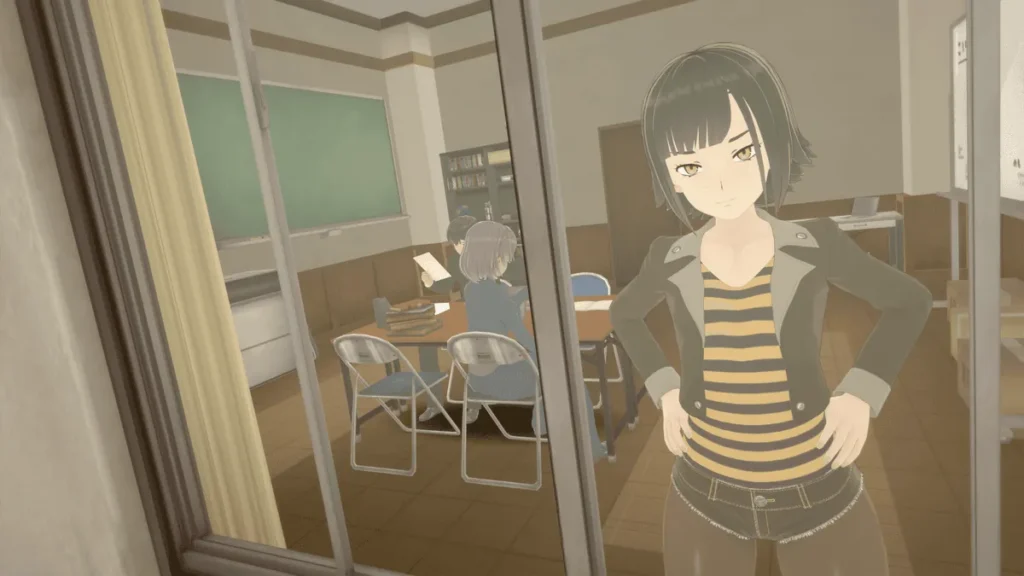
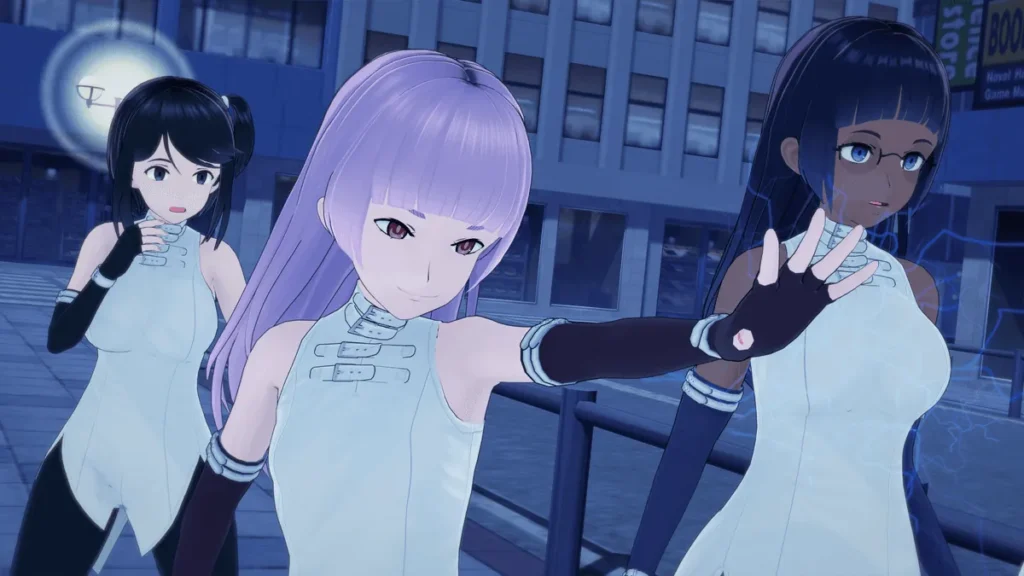
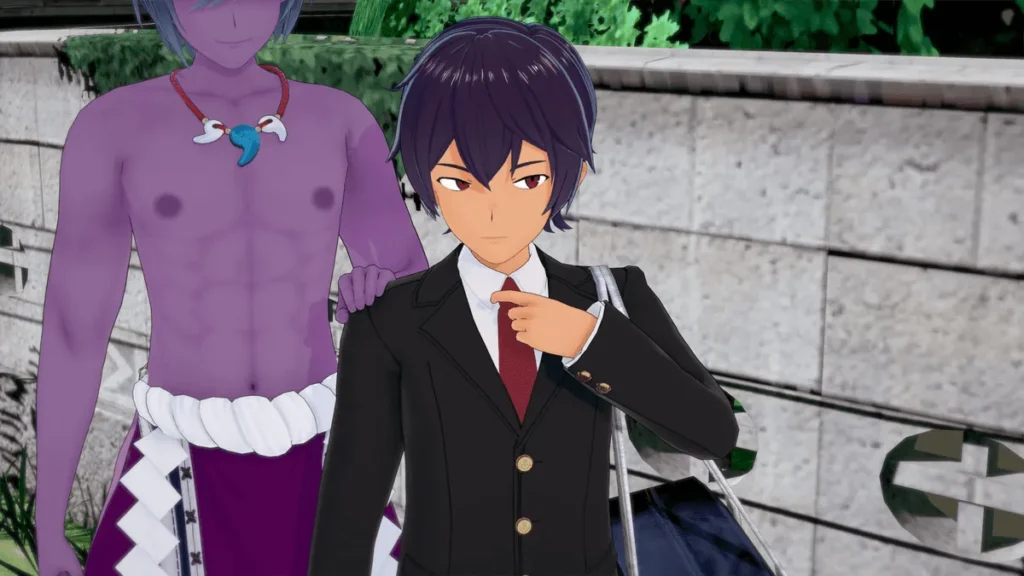
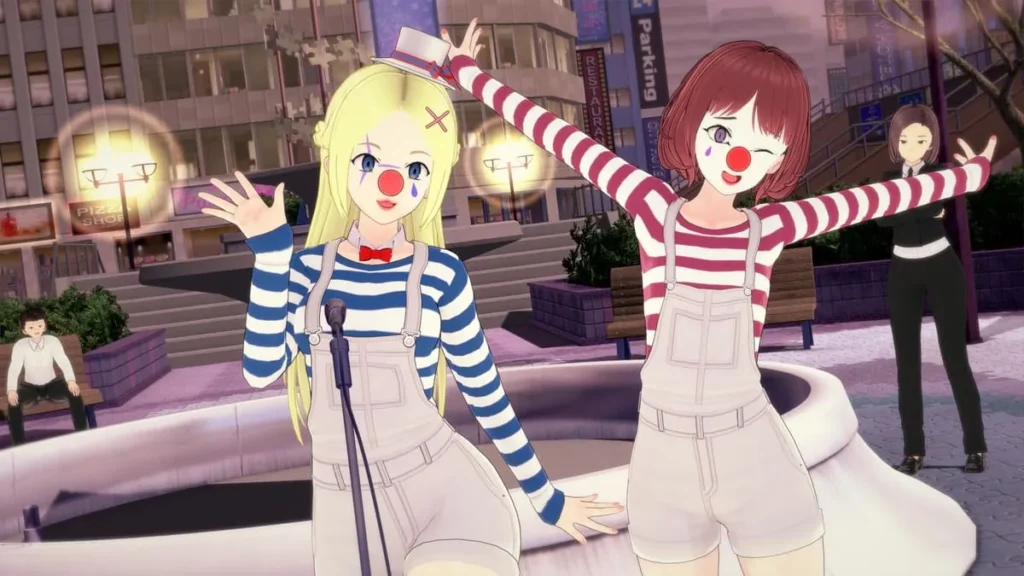
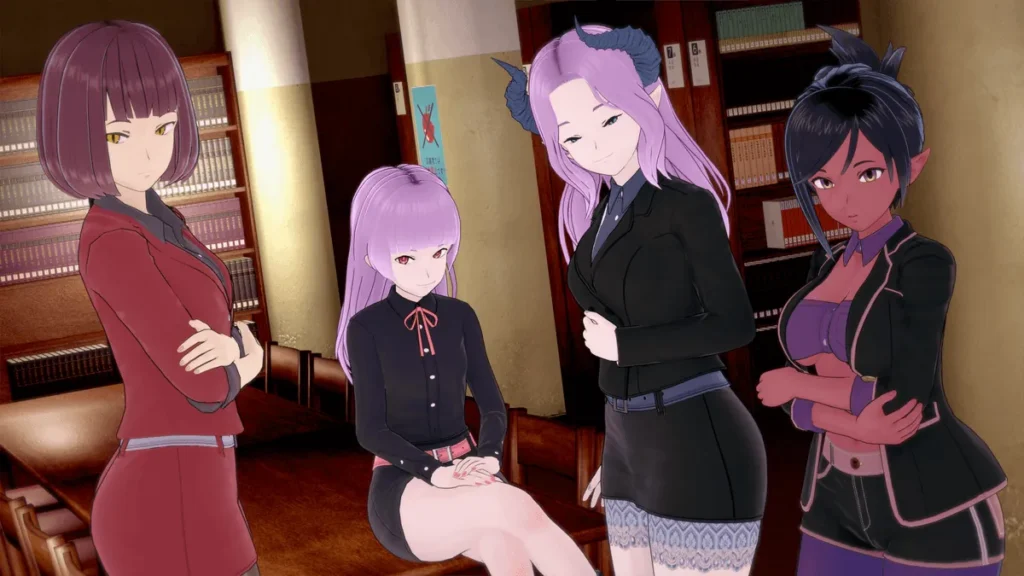
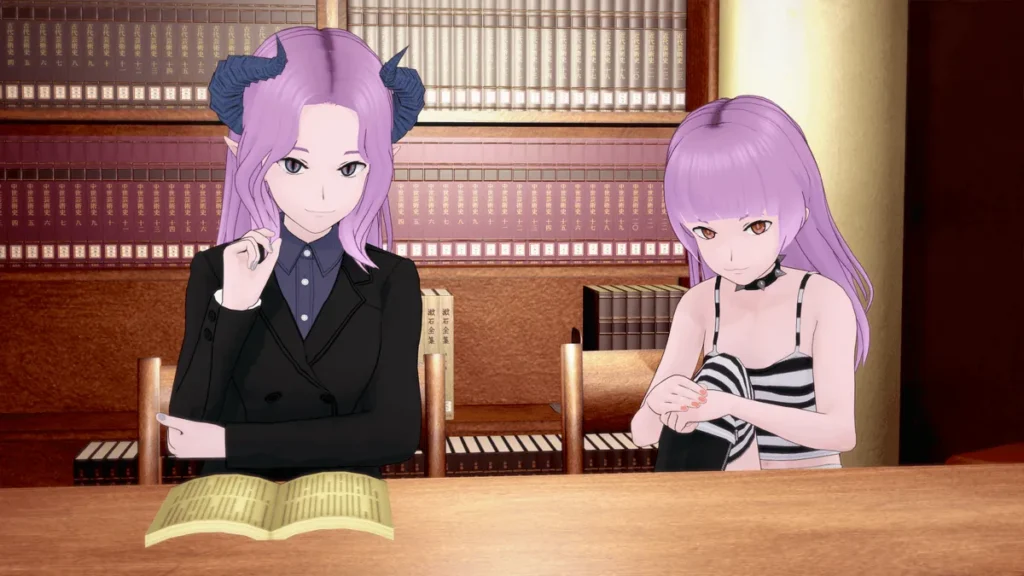
Demons of the Hearth review
Dive into Political Intrigue, Magic, and Choices in This Gripping Adult Visual Novel
Ever stumbled upon a game that blends modern magic with heart-pounding political intrigue? That’s ‘Demons of the Hearth’ for you—a visual novel that hooked me from the first choice. Developed by Konvel and hosted on itch.io, this adult title throws you into a world where your decisions shape alliances, romances, and regrets. With stellar character depth and a narrative that feels like a movie, it’s perfect for fans of immersive storytelling. In this guide, I’ll share my playthrough insights, tips to maximize enjoyment, and why it’s a must-play in the genre. Let’s uncover the demons lurking in your hearth.
What Makes Demons of the Hearth So Addictive?
I remember scrolling through itch.io one rainy afternoon, looking for something to break the monotony. The usual pixel art and retro RPGs blurred together until a stark, elegant title card stopped me cold: Demons of the Hearth. The description promised a “modern gothic political drama,” and I was intrigued. I downloaded it, expecting maybe an hour of distraction. Cut to 3 AM, my tea long cold, as I sat utterly absorbed, clicking through dialogues that felt less like a game and more like I’d stumbled into a secret, simmering war happening right next door. That’s the magic trick this visual novel pulls off—it makes the magical modern world feel terrifyingly, compellingly real.
So, what is Demons of the Hearth at its core? It’s an adult visual novel where you navigate a hidden society of mages, ancient families, and supernatural entities, all vying for power in a city that looks like our own. Your choices don’t just determine who you kiss; they determine who lives, who rules, and what you’re willing to sacrifice to protect your home. It’s a masterclass in tension, and I’m here to break down exactly why it’s so hard to put down. 😈
Unpacking the Story and Worldbuilding
The Demons of the Hearth story doesn’t waste time. You’re plunged into a world where magic is real but meticulously hidden, governed by rigid traditions and ruthless political maneuvering. This isn’t a world of wands and whimsy; it’s a world of bloodline contracts, economic influence, and whispered alliances. The visual novel worldbuilding is its greatest strength because it’s delivered through implication and detail. You learn about the ruling Conclave not through a dry history lesson, but through a character’s disdainful tone over a too-expensive cup of coffee, or the nervous glance someone throws at a family crest etched into a building’s architecture.
This creates a political intrigue game of the highest order. You’re constantly parsing conversations, deciding who to trust, and identifying the real power behind a polite smile. The magical modern world setting means the stakes are uniquely relatable. A debate about zoning laws might actually be about warding territory. A corporate takeover could mask a ritual to drain a rival’s power. This seamless blend makes the visual novel intrigue feel grounded and incredibly urgent.
By Chapter 2, the story evolves like a prestige TV drama. The initial mystery expands, personal loyalties clash with political necessities, and you realize every character has their own sprawling agenda. The gripping narrative choices start here, asking you to align with factions, not just individuals. It’s magical politics at its most visceral, where a single choice of words can make you a player or a pawn.
To see how it stacks up, let’s look at its narrative peers:
| Game | Strengths | Unique Edge of *Demons of the Hearth* |
|---|---|---|
| The Arcana | Romance-focused, mystical atmosphere | Grittier, more systemic **political intrigue game** with higher stakes for the world itself. |
| Long Live the Queen | Stat-building, brutal consequence mechanics | Deeper narrative, **character depth visual novel** approach where relationships are the primary “stats.” |
| When the Night Comes | Supernatural mystery, ensemble cast | More complex, adult-oriented **magical politics** and a fully realized modern setting. |
Why Character Diversity Keeps You Hooked
If the world is the stage, the characters are the powerhouse performers who make you care. The character depth visual novel format allows for, and Demons of the Hearth delivers, an ensemble that feels startlingly human. This isn’t just about checking diversity boxes; it’s about crafting a believable spectrum of people with clashing perspectives, traumas, and desires. Scan the comments on any forum, and you’ll see players passionately debating every major figure, a testament to how real they feel.
Interactions are edge-of-your-seat because no one is purely “good” or “evil.” A character who offers you genuine comfort in one scene might coldly manipulate you in the next, all for what they believe is a greater good. Your relationships are the primary gameplay mechanic, and every conversation is a chance to build trust, uncover secrets, or make a dangerous enemy.
Take my experience with Elias, for example. 🕵️♂️ Initially, he came off as a cynical, paperwork-obsessed bureaucrat for the magical government. I almost wrote him off as boring. But by choosing to help him with a seemingly mundane administrative task, I unlocked a storyline about the immense, lonely burden of upholding laws meant to prevent magical catastrophe. His arc became a heartbreaking case study of duty versus compassion. I wasn’t just watching his story; my choices directly influenced whether he hardened into an unfeeling instrument of the state or rediscovered the reason he took the job in the first place. That’s the power of its character depth.
Choices That Hit Hard: My Regretful Moments
The gameplay loop is deceptively simple: you react to questions, offers, and unfolding events. Do you intervene in a public magical incident or uphold secrecy? Do you accept a faction’s generous but strings-attached offer? Do you console a grieving ally or press them for crucial information they’re hiding? These are the gripping narrative choices that define your path.
The genius is in the consequences. They don’t just change the next scene; they echo for chapters. A minor slight can close off entire alliance paths hours later. A moment of mercy can return to save you when you’re cornered. This system creates incredible weight behind every click.
I learned this the hard way. Early on, I encountered a minor spirit causing nuisance magic in a neighborhood. The “easy” choice, pushed by a charismatic ally, was to banish it forcefully—a show of strength. I took it. It wasn’t until much later that I met the elderly, non-magical woman who lived there. She spoke, not with fear, but with sadness about the “little lost light” that had been her companion since her spouse died. My efficient solution had erased a lonely woman’s comfort. The game never chastised me with a “BAD CHOICE” screen. It just showed me the human cost, and that quiet moment of regret haunted me more than any game over ever could. 😔
So, what’s the best way to play? Here’s my actionable advice:
- For Your First Playthrough: Try to Live With It. I urge you to resist the save-scumming urge initially. Let your choices stand, even the painful ones. The emotional impact of the Demons of the Hearth story comes from feeling the weight of your decisions. This is where the narrative truly shines as a political intrigue game—you must live with your political blunders and unexpected triumphs.
- For Replayability: Save-Scum to Your Heart’s Content. Once you’ve seen one ending, create a save at every major decision point. This is how you unpack the incredible visual novel worldbuilding and see how different alliances and enmities reshape the story. You’ll uncover hidden character motivations and alternate plot threads you never knew existed.
Ultimately, what is Demons of the Hearth if not a playground for consequence? It’s a rare game that trusts you with difficult decisions and respects you enough to not provide easy undo buttons.
FAQs
How long is the story?
A single, thorough playthrough can take 8-12 hours, depending on your reading speed and how much you ponder choices. With multiple major branching paths, full replayability doubles or triples that.
Is it replayable?
Absolutely. The political landscape can shift dramatically based on your core alliances. Different character routes reveal entirely unique perspectives on the central conspiracy, making a second or third playthrough feel fresh.
Are there content warnings?
Yes, the game deals with mature themes appropriate to its political thriller and gothic inspirations, including violence, psychological manipulation, and heavy ethical dilemmas. The developer provides clear warnings on the itch.io page.
Do I need to be a visual novel veteran to enjoy it?
Not at all! Its strength is in its writing and choice design, not complex mechanics. If you enjoy story-driven games with meaningful decisions, you’ll find it immediately accessible and deeply engaging.
The depths of its magical modern world and the intricacies of its character depth visual novel design are what we’ll explore next, as we dive into specific character guides and unravel the major political factions vying for control. Your next choice is: who will you side with?
Demons of the Hearth stands out with its masterful mix of political intrigue, deep characters, and choices that truly matter in a magical modern world. My time with it felt like living a thrilling movie, full of surprises and emotional pulls. Whether you’re chasing the best endings or just soaking in the story, this visual novel delivers. Grab it on itch.io today, make those tough calls, and see where your hearth leads. You won’t regret diving in—trust me, the intrigue awaits.