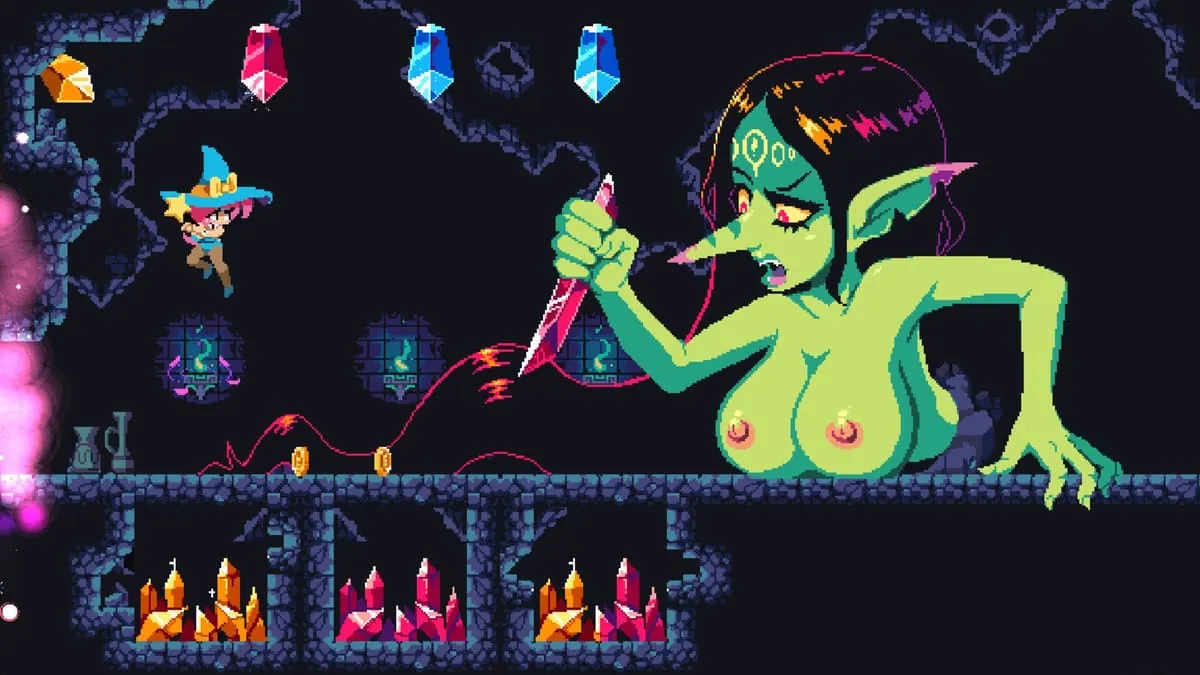
Infinite Jump Screenshots
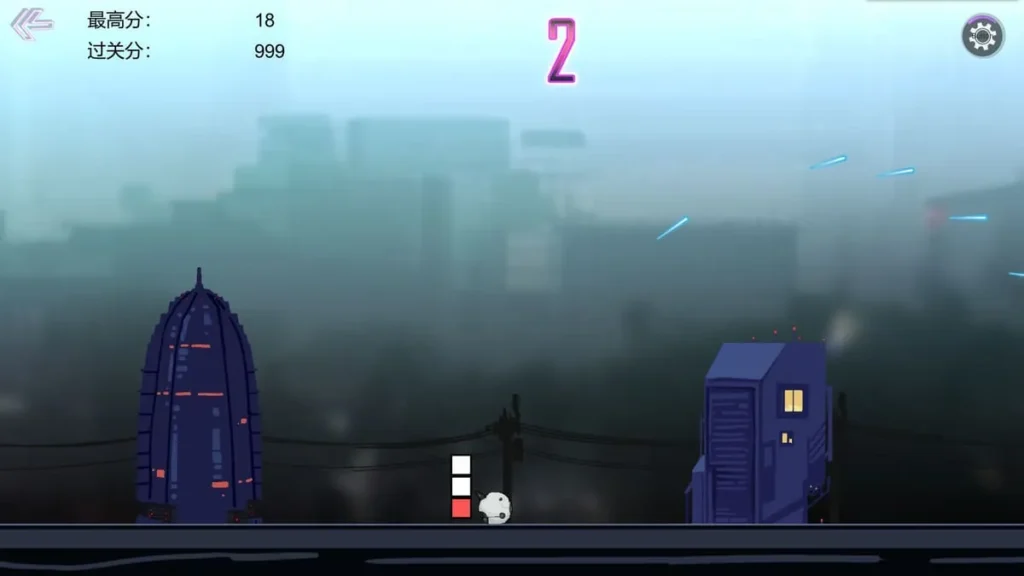
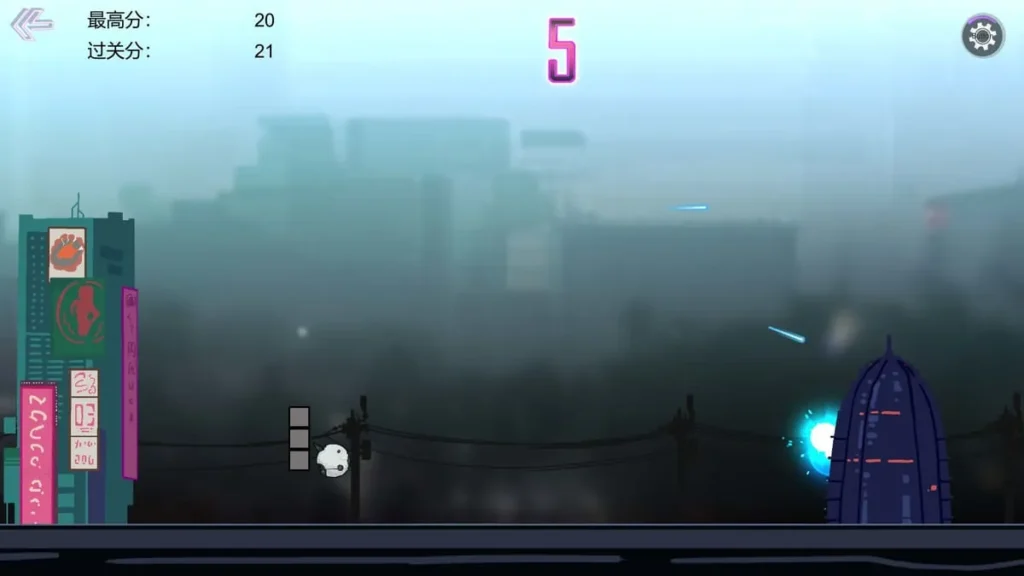

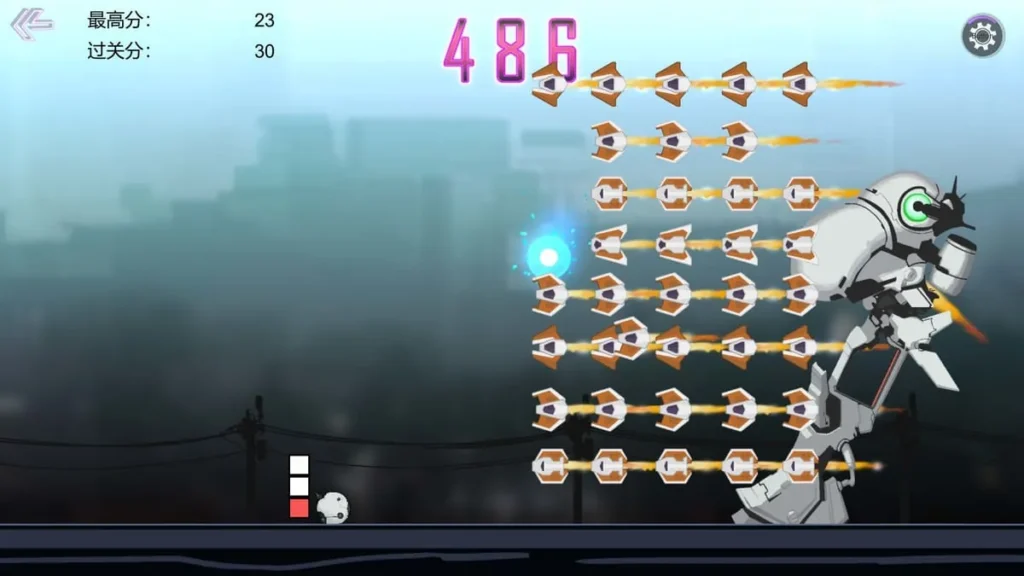


Infinite Jump review
Master the momentum-based platforming and progressive challenges in this boundary-pushing title
Infinite Jump stands out as a distinctive blend of precision platforming and mature-themed content that challenges players to master momentum-based jumping mechanics. Unlike typical casual mobile games, this title combines fast-paced acrobatic gameplay with progressively complex obstacle courses and character customization systems. Whether you’re a platformer enthusiast or curious about games that push creative boundaries, Infinite Jump offers an addictive experience that rewards skill, timing, and persistence. The game’s fluid physics system and procedurally generated levels create a dynamic challenge that adapts to your growing abilities, ensuring you’re constantly tested without feeling overwhelmed.
Core Gameplay Mechanics and Physics System
Understanding Momentum-Based Jumping Physics
Let’s be honest—most platformer jumps feel like you’re moving through molasses. You press a button, your character follows a predictable, floaty arc, and you land. Rinse and repeat. It’s safe, it’s reliable, but after a while, it’s just… boring. You’re not really flying; you’re just politely asking gravity for a temporary favor. 🫠
Infinite Jump throws that entire rulebook out the window. Right from your first leap, you feel the difference. This isn’t about fixed arcs; it’s about momentum-based jumping mechanics. Think of it like a skateboarder building speed down a hill—every movement feeds into the next. Your jumps don’t reset your velocity; they carry it. Run fast to the right, leap, and you’ll soar further. Try to change direction mid-air? You can, but you’ll feel the inertia of your previous speed fighting you. It’s physics you can feel.
This is all powered by a revolutionary platformer physics engine. I remember my first hour with the game, constantly overshooting simple platforms because my brain was still wired for traditional games. I’d sprint, jump, and go sailing majestically past my target into the abyss. It was frustrating, until that one magical run where it all clicked. I stopped thinking in terms of “jump” and “land,” and started thinking in terms of flow, speed, and trajectory. The precision jumping controls are your interface to this beautiful chaos. They are incredibly responsive—a light tap for a short hop, a hold for a committed bound—giving you fine-grained command over your velocity.
The real genius is in the air control mechanics. You’re not a helpless passenger once you leave the ground. You can steer, accelerate slightly, or brake your horizontal movement. This delicate balance is the soul of the game. Too much correction, and you kill your flow and your combo. Not enough, and you’re a runaway train headed for a spike pit. Mastering this dance between freedom and precision is the first major skill gate.
Pro Tip: Your first goal shouldn’t be to reach the end of a level. It should be to never stop moving. Practice running through early zones without ever letting your combo drop. You’ll learn more about the momentum-based jumping mechanics in 10 minutes of flow than in an hour of cautious play.
The game teaches you this through its environment. Gentle slopes encourage you to build speed. Narrow pillars force you to master the brake. Soon, you’re not just reacting to the geometry; you’re using it, riding curves like a half-pipe and using wall angles to deflect your path. It creates a flow state that’s utterly addictive. When the system clicks, you stop controlling a character and start being the momentum. ✨
Mastering the Infinite Jump Combo System
If the momentum is the heart, the infinite jump combo system is the game’s blazing soul. This is the core loop that turns a great platformer into an obsession. The rule is beautifully simple, yet endlessly deep: If you touch any surface before hitting the ground, your jump combo continues.
Notice I said “any surface.” This is the critical twist. It’s not just about platforms. We’re talking:
* The obvious (platforms, moving blocks)
* The dangerous (spiked walls, crumbling floors)
* The living (enemies’ heads, projectiles you can bounce off)
* And even the temporary (we’ll get to that!)
Every surface touch adds to your combo counter. But this isn’t just for show. Your score multiplier scales with your combo, and more importantly, so does the world around you. Visual effects intensify, the music layers in new tracks, and—most crucially—hidden pathways begin to shimmer into existence. Some of the game’s most incredible secrets are only accessible by maintaining a 50+ combo in specific zones, using every inch of geometry to keep your chain alive.
Let me paint a real scenario from my playtime. I’m in the Neon Aether zone, my combo is at x12. I dash off a high platform, using my downward momentum to slam onto an enemy below (combo +1). I instantly bounce off its head, steering left to graze the side of a moving girder (combo +2). That touch gives me just enough height to reach a distant, tiny platform. I don’t land on it—I merely tap its edge with my toes to renew my aerial status (combo +3) and launch myself toward a wall. I run up it for two steps before kicking off backwards, flying across a gap while shooting a projectile mid-air. That projectile hits a switch, materializing a new platform right in my flight path, which I touch (combo +4) before landing finally on a safe ledge. The crowd (in my head) goes wild. 🎆
This is how to chain jumps in platformers at its most exhilarating. The infinite jump combo system rewards creativity, spatial awareness, and sheer audacity. Boss battles are the ultimate test of this system. You’re not just dodging attacks; you’re using the boss’s own body, its projectiles, and the environmental hazards it creates as stepping stones to stay airborne while dealing damage. You’re literally dancing on the danger.
The developers also cleverly introduce mechanics that feed the combo. Early on, you get a projectile shot. Initially, you think it’s for combat. Then you discover you can shoot specific switches to create temporary platforms. Finally, you realize the truth: you can shoot a switch mid-jump to create a platform directly beneath you, saving a falling combo in a moment of pure genius. It turns a tool for solving puzzles into a vital part of your mobility toolkit.
Here’s a quick checklist of what makes this system tick:
- Momentum Velocity: Your speed directly influences jump distance and bounce height. Faster approaches = bigger launches.
- Combo Continuation Rules: Touch ANY surface (solid, hostile, or temporary) before a full ground landing.
- Score Multipliers: Increase exponentially with combo length, making high-risk routes worth it.
- Visual Flair Intensity: The screen pulses, particles trail, and the UI glows as your combo builds.
- Hidden Area Access: Specific high-combo thresholds reveal hidden platforms, doors, and challenges.
Collision Detection and Precision Controls
All of this glorious, high-speed chaos would be an infuriating mess if the underlying foundation wasn’t rock solid. That foundation is the game’s collision detection platformer technology. We’re talking pixel-perfect, frame-accurate precision. When you die in Infinite Jump, 99% of the time, you know it was your mistake, not the game’s. That trust is everything.
The precision jumping controls are a masterclass in responsive design. There’s zero input lag. When you press jump, you jump on that exact frame. Your control in the air isn’t slippery or vague; it’s a direct, weighted response to your inputs. This allows for techniques that would be impossible in a sloppier game. For example, “feathering” a jump—tapping a direction repeatedly for minute adjustments mid-flight—becomes a vital skill for lining up those perfect, combo-saving grazes on tiny surfaces.
This precision enables the game’s most devilish (and satisfying) challenges. You’ll encounter moving platforms the size of a postage stamp, spinning blades you need to bounce off of at the exact safe point in their rotation, and narrow beams where your margin for error is a single pixel. Thanks to the flawless collision detection platformer systems, navigating these obstacles feels less like luck and more like performing a difficult piece of music. Every note (or jump) has to be hit just right.
The air control mechanics are fine-tuned to complement this. You have a set “air acceleration” value that determines how quickly you can change direction. It’s generous enough to allow for recovery and stylish maneuvers but strict enough that you can’t just disregard your initial momentum. This creates a beautiful risk-reward dynamic: do you commit to your current risky trajectory for a potential huge combo bonus, or do you burn some of your precious air control to play it safe and ensure you land somewhere?
This marriage of pinpoint collision detection platformer tech and thoughtful precision jumping controls is what allows for “emergent chaos”—a term the developers have happily embraced. Speedrunners and expert players have found incredible ways to “break” the game by combining upgrades and mechanics in unforeseen ways. Launching themselves across entire levels by chaining bounces off specific enemy types, or using projectile-platforms to reach areas far beyond the intended path. Instead of patching these sequences out, the developers leave them in as a reward for player mastery and creativity. It’s a testament to their confidence in a system that is tight enough to be predictable to experts, even in its most extreme applications.
| Mechanic | Player Skill Required | Impact on Gameplay Flow |
|---|---|---|
| Momentum Conservation | Intermediate | Creates a sense of weight and fluidity, turning levels into interconnected routes rather than separate jumps. |
| Pixel-Perfect Collision | Fundamental | Builds absolute player trust; enables high-precision challenges and consistent combo mechanics. |
| Mid-Air Steering | Advanced | Adds a deep strategic layer to every leap, balancing risk management with momentum preservation. |
| Combo-Surface Variety | Creative | Encourages environmental experimentation and turns every object into a potential tool for movement. |
In the end, Infinite Jump is more than a game about jumping far. It’s a game about understanding a platformer physics engine on an instinctive level, about seeing the world not as static obstacles but as a dynamic playscape of angles and opportunities. It’s about the sheer joy of motion itself. When you finally sync up with its rhythm—when you stop fighting the momentum-based jumping mechanics and start surfing on them—that’s when you achieve the flow state the game is built for. You’re not just playing a platformer; you’re conducting a symphony of velocity. 🚀
Infinite Jump delivers a compelling experience that merges skill-based platforming with innovative mechanics that keep players engaged across multiple playthroughs. The momentum-based jumping system creates a fluid, responsive feel that rewards mastery and precision, while the infinite jump combo mechanic provides both a scoring system and a pathway to discovering hidden content. The game’s progressive difficulty curve ensures accessibility for newcomers while maintaining challenge for experienced players, and the procedurally generated levels adapt to your growing abilities. Whether you’re drawn to the technical precision of platforming or the visual progression systems, Infinite Jump offers depth that extends far beyond initial expectations. If you’re looking for a platformer that combines accessible mechanics with genuine skill expression, this title deserves your attention.