Kindread: The Redburns
Play Kindread: The Redburns
Kindread: The Redburns Screenshots




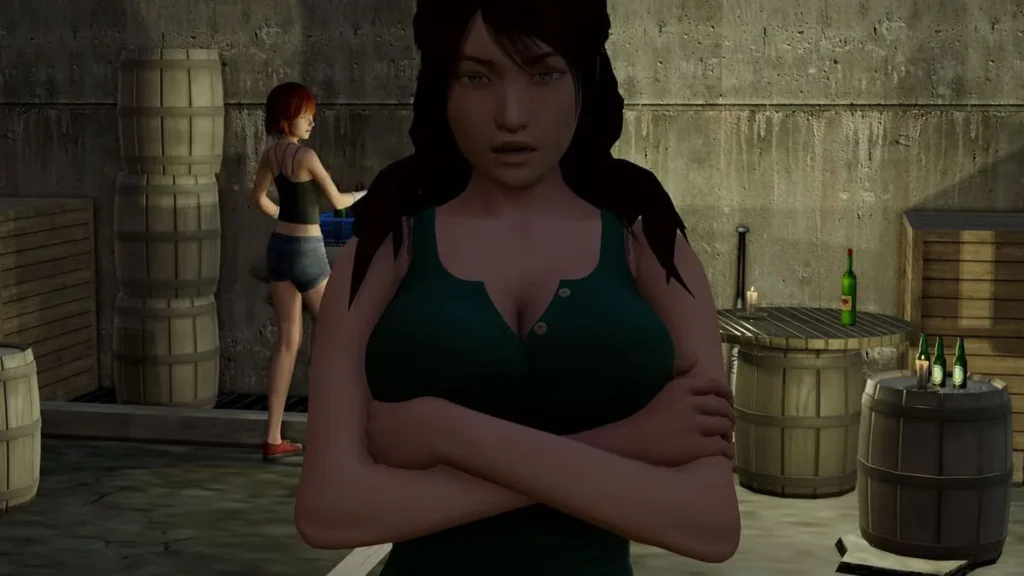


Kindread: The Redburns review
Dive into the gripping narrative and choices of this captivating game
Hey there, fellow gamers—have you stumbled into the haunting world of Kindread: The Redburns? This narrative-driven gem from Evermore Epicworks pulls you into a web of eternal love, fractured identities, and tough choices that hit hard. I remember my first playthrough: that beautiful unease as I navigated loss and guilt, with every decision unlocking darker layers. Packed with branching paths, multiple endings, and mature elements that deepen the drama, it’s not just a game—it’s an emotional rollercoaster. Stick around as I break it down, sharing tips to master its routes and uncover the true ending.
What Makes Kindread: The Redburns Unforgettable?
I remember my first time loading up Kindread: The Redburns. I expected a ghost story, maybe some chills. What I got instead was a slow, sinking feeling in my chest—a profound sense of melancholy that lingered long after I’d closed the game. 😔 It wasn’t about sudden frights; it was a constant, gnawing unease, a dread built on memory and loss. That’s the unique magic of this experience. So, what is Kindread Redburns at its heart? It’s a narrative masterclass in emotional weight, where every choice feels like placing another stone on a fragile, already-crumbling wall.
This isn’t a game you just play; it’s a story you feel, and that feeling is central to its unforgettable quality.
Why the Story Choices Grip You from the Start
From the very first decision, Kindread: The Redburns establishes that your agency matters, but not in the way you might think. You’re not a hero shaping the world; you’re a soul navigating a fractured reality, and your choices are less about “winning” and more about uncovering painful truths. The Kindread The Redburns story is structured like a puzzle box of regret, and you hold the key.
The game begins with a brilliant narrative fork. You choose one of two initial routes, each focusing on a different central character and their perspective on the haunting at Redburns. This isn’t just a cosmetic difference. Each path reveals unique fragments of the larger tragedy, lore, and personal guilt. You cannot see the full picture from just one angle. To progress to the subsequent Acts and truly understand the fractured identity narrative, you must reach specific endings in these initial routes. It’s a design that brilliantly mirrors the game’s themes—truth is scattered, and you must gather all the pieces.
Your eternal love game choices often present themselves as seemingly simple dialogue options or interactions with the environment. Do you confront a memory or shy away? Do you offer comfort or seek the harsh truth? These moments define your relationship with the characters and directly influence which of the multiple endings you will unlock. The grip comes from the weight of these decisions. You’re constantly asking, “Am I helping, or am I digging up something better left buried?”
Here’s a practical look at how the narrative unfolds:
| Act | Routes Unlocked | Key Themes Introduced | Requirements to Unlock |
|---|---|---|---|
| Act I | Route: The Seeker / Route: The Guardian | Initial Haunting, Personal Guilt, The First Loss | Start a new game. |
| Act II | Route: The Echo / Route: The Promise | Shared History, Fractured Truth, The Price of Bonds | Achieve the ‘Remembrance’ or ‘Lingering’ ending in a prior route. |
| Act III (Finale) | The Convergence | Acceptance, Sacrifice, The Nature of Eternal Love | Unlock and complete key endings in both Route: The Echo and Route: The Promise. |
My biggest piece of advice? Save often, and in different slots. This is a game built for replays. Seeing how a different choice branches the conversation or unlocks a new, haunting piece of scenery is where the Kindread The Redburns story truly comes alive. It’s designed for you to walk its halls multiple times, each visit revealing another shadow in the corner of your eye. 👁️
Exploring Heavy Themes of Loss and Eternal Bonds
If the structure is the skeleton, the Kindread Redburns themes are its bleeding heart. This game fearlessly explores emotional territories many shy away from. The core of it all is loss—not just death, but the loss of self, of memory, of the future you once pictured. The characters are all ghosts in their own way, haunted by versions of themselves that no longer exist. This exploration of fractured identity narrative is handled with a delicate, painful precision. You’re not just solving a mystery; you’re helping someone remember who they were, even when that memory is devastating.
Woven through this grief is the central, aching question of eternal love. What does it mean to love someone forever? Is it a beautiful promise or a terrible curse? The eternal love game choices you make directly engage with this theme. Do you fight to hold on to a bond at any cost, or do you learn to let go for the sake of peace? The game doesn’t give you easy answers. It presents love in all its forms—obsessive, sacrificial, mournful, healing—and asks you to sit with the discomfort. 💔
Guilt is the glue that binds these themes. Actions (or inactions) from the past ripple through the present, distorting reality at Redburns. The emotional intensity game design comes from experiencing these moments not as exposition, but as visceral, interactive flashes. You might choose to open a letter and be immediately thrust into a memory of the argument it caused, feeling the tension firsthand. This isn’t a story told to you; it’s a story you re-live, and that makes its themes hit with incredible force.
How Mature Content Elevates the Experience
Let’s talk about Kindread mature content. This is a common point of curiosity, and it’s crucial to understand its role. This isn’t mature content for shock value or gratuitousness. Instead, it’s used as a vital narrative tool to deepen character drama and amplify the oppressive atmosphere. The horror here is psychological and emotional.
You will encounter scenes with intense psychological distress, conversations about trauma, and depictions of deep, unsettling grief. The game may use symbolic, disturbing imagery to represent internal pain. This content is handled with a sober, tasteful gravity—it feels necessary, not exploitative. It forces you to confront the raw, ugly reality of the characters’ pain, making their journeys towards any form of resolution far more powerful and earned.
Because of this, the overall feeling is one of profound dread rather than jump-scares. The fear is in the implication, in the heavy silence after a revelation, in the chilling normalcy of a corrupted memory. The Kindread mature content ensures the stakes feel human and devastatingly real. It reminds you that the truest horrors are often the ones we carry inside. 😶
This commitment to a serious tone is what makes Kindread: The Redburns such a standout emotional intensity game. It respects its subject matter and, by extension, respects you, the player, to handle it.
Pro Tip: Don’t rush. The atmosphere is a character itself. Spend time examining the environment, the changed objects, the fleeting whispers. The best clues to the Kindread The Redburns story are often hidden in plain sight, in the quiet details.
So, is it for everyone? Probably not. But if you’re looking for a narrative that will stay with you, that uses interactivity to explore the darkest corners of love and loss, then your next journey should be to Redburns. Each route is a different shade of the same sorrow, and only by witnessing them all can you grasp the full, tragic picture. Your first choice awaits… will you walk the path of The Seeker, or The Guardian?
Your Kindread: The Redburns Starter FAQ
- How long is a full playthrough to see everything? A single route takes 3-4 hours. To experience all major branches, endings, and unlock the final Act, plan for 15-20 hours of total playtime. It’s a commitment, but one worth making. ⏳
- Does it have multiple endings? Absolutely. Each of the four main routes has at least two significant endings, influenced by your key choices throughout. The “true” ending is locked behind seeing specific outcomes first.
- Is the replay value high? Extremely. The branching narrative means second and third playthroughs reveal entirely new scenes, dialogue, and perspectives on events you thought you understood. It’s built for replays.
- I’m stuck! How do I progress to Act II? You need to achieve a specific, often non-obvious, ending in your current Act I route. Re-examine your major choices, try different dialogue tones (soothing vs. confrontational), and interact with every object. Sometimes, the path forward requires letting go.
- Is it overwhelmingly sad? It’s melancholic and heavy, but often laced with beauty and catharsis. It’s less about unrelenting sadness and more about the complex process of grappling with irreversible pain. The emotional payoff is powerful.
There you have it—Kindread: The Redburns is a masterpiece of narrative depth, where every choice weaves a tapestry of emotion, sacrifice, and revelation. From those initial Act I paths to the mind-bending True Ending, it’s a journey that lingers long after. I dove in skeptical but emerged hooked, replaying routes that reshaped my view of eternal bonds. If you’re craving a game that challenges your heart and mind, grab it now, experiment with paths, and share your wildest ending in the comments. What’s your go-to route? Let’s chat—your next favorite obsession awaits!