
Randel Tales
Play Randel Tales
Randel Tales Screenshots



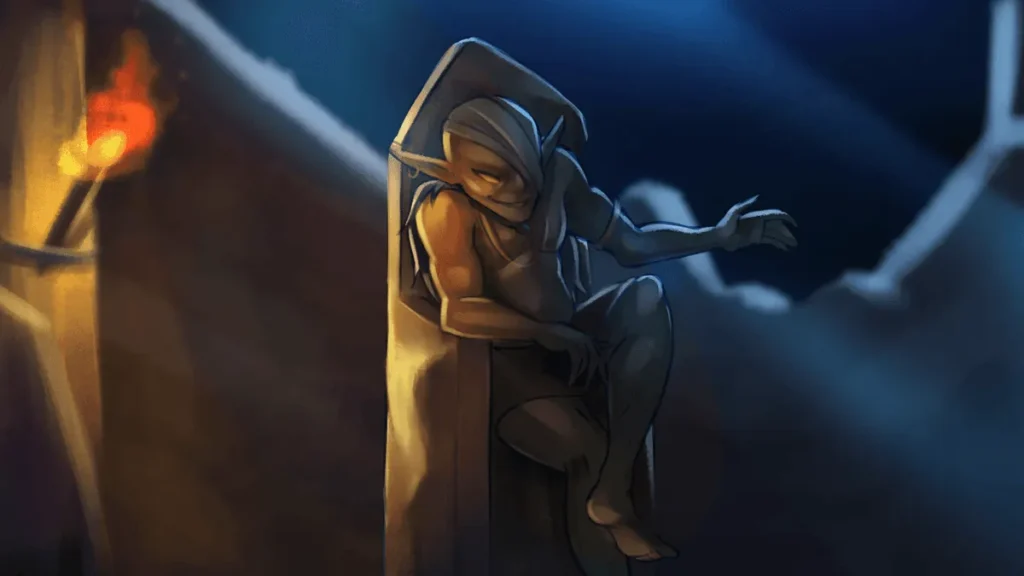




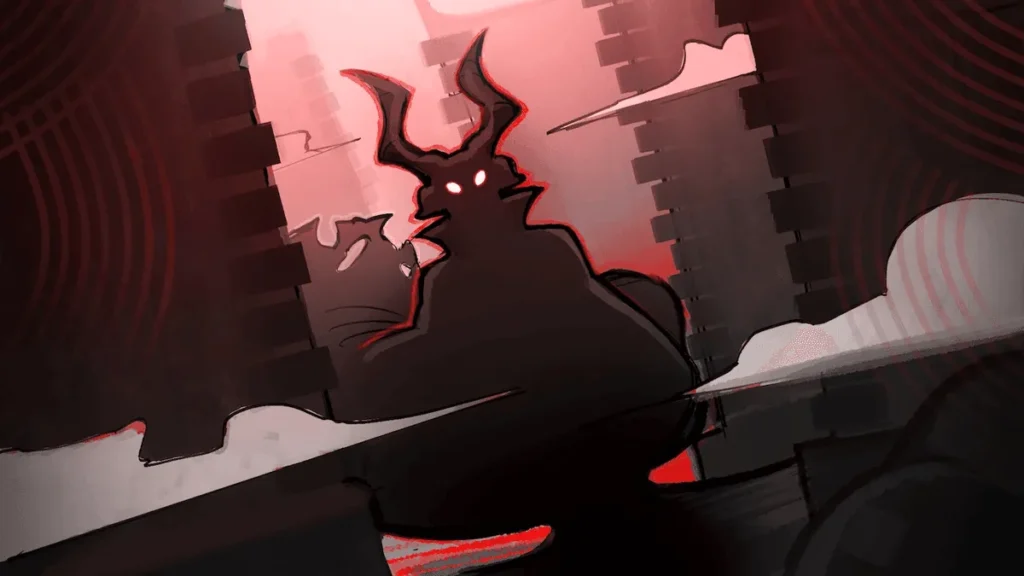
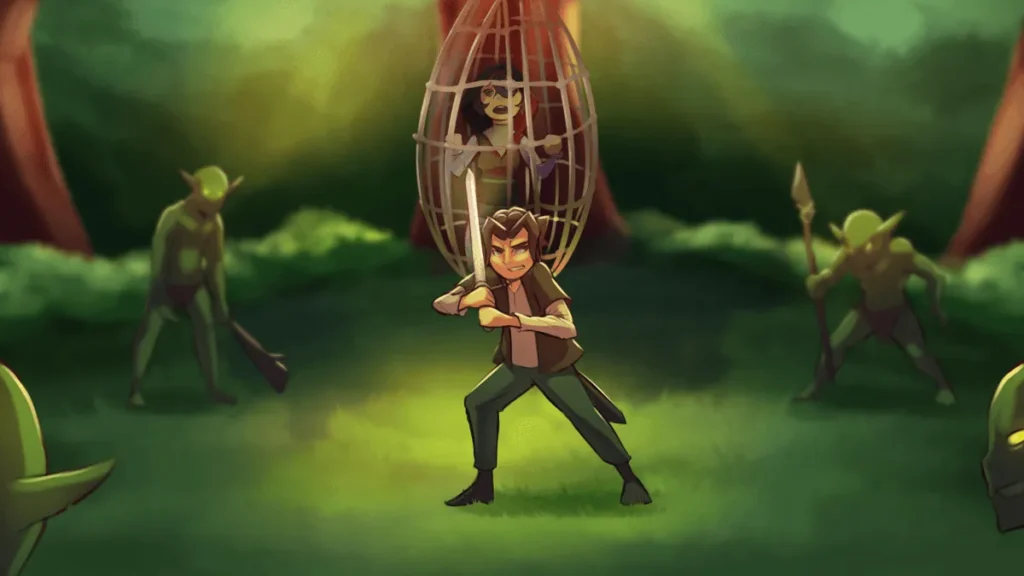

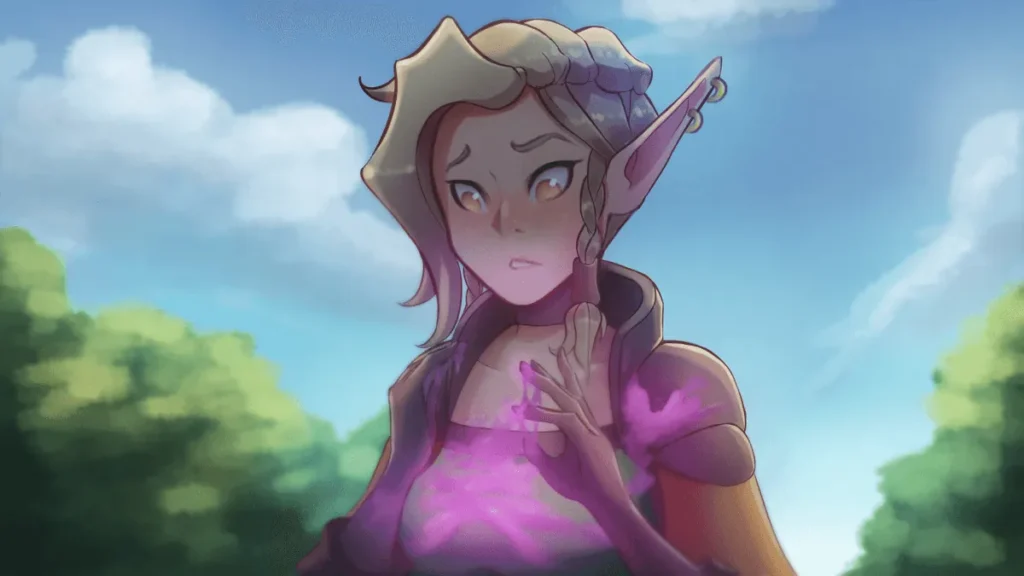




Randel Tales review
Exploring gameplay mechanics, story depth, and what makes this adventure stand out
Randel Tales has carved out a unique space in the adult visual novel genre by combining engaging storytelling with meaningful gameplay mechanics. This adventure follows a young adventurer meeting various characters while navigating a world filled with choices that genuinely impact your experience. Beyond its surface appeal, the game offers an intricate stats system, memory-based academy tests, and character-driven narratives that keep players invested. Whether you’re curious about the mechanics, story quality, or overall gameplay experience, this guide breaks down what makes Randel Tales a standout title in its category.
Gameplay Mechanics and Systems in Randel Tales
Let’s be honest: diving into a new game can sometimes feel like being thrown into the deep end without floaties. 🏊♂️ You’re clicking through, enjoying the story, and then—bam—you hit a wall because the game never quite explained how its core systems work. If you’ve felt that pang of confusion in the first few hours of Randel Tales, you’re not alone. I certainly did.
What makes this adult visual novel so intriguing is its ambitious blend of classic dating-sim elements with surprisingly robust RPG-lite systems. The Randel Tales gameplay mechanics aren’t just window dressing; they are fundamental to your success and the story’s outcome. But they don’t always hold your hand, which can be both a curse and a charm. This deep dive is your life raft. We’re going to unpack the stats, the tests, the mysterious monster book, and how your choices truly shape the world. By the end, you’ll not only understand the stats system visual novel fans have been puzzling over but also know exactly how to thrive in Randel Academy from day one.
Understanding the Stats and Progression System
At its heart, Randel Tales features a stats system visual novel enthusiasts will find familiar yet uniquely demanding. Your character isn’t just along for the narrative ride; you actively build them through a points-based progression system. The primary stats you’ll be managing are Intelligence, Strength, and Charisma. Think of them as the three pillars holding up your entire adventure. 🏛️
Here’s the catch the game doesn’t shout from the rooftops: you don’t just get points to allocate freely after leveling up in a traditional sense. Instead, skill progression in Randel Tales is almost entirely activity-based. Want to get smarter? Hit the library and study magic. Need more brawn? Go hunt some creatures in the forest. Looking to turn on the charm? Practice your social skills in town. Your stats increase directly by performing these corresponding actions. It’s a “learn by doing” approach that makes the academy setting feel authentic.
This is where many players, myself included, hit our first snag. The game doesn’t present a clear tutorial pop-up saying, “Hey, your Strength is low because you haven’t hunted enough!” I remember spending my first in-game week just attending story events, only to fail a simple early skill check because my stats were lagging. The link between daily activities and skill progression Randel Tales offers is opaque at first. You have to be proactive and experimental.
The key is to diversify your efforts early. Don’t just follow the main story beats. Actively seek out the locations that offer these grinding opportunities. It’s less about min-maxing from the start and more about ensuring a balanced foundation so you’re prepared for whatever checks the story throws at you later.
To demystify it, here’s a breakdown of the primary activities and the stats they influence:
| Activity | Primary Stat Increased | Notes & Tips |
|---|---|---|
| Studying Magic (Library) | Intelligence | Essential for academy tests and magical theory checks. |
| Hunting (Forest) | Strength | Also provides materials and can trigger unique encounters. |
| Socializing (Town Tavern/Plaza) | Charisma | Can unlock new dialogue options and character insights. |
| Sparring (Academy Grounds) | Strength | A less resource-intensive alternative to hunting. |
| Researching (Your Room) | Intelligence | A quiet, reliable way to boost knowledge. |
So, how to allocate points Randel Tales effectively? You don’t “allocate” in a menu. You allocate your time. Early game, I recommend a rotating schedule. Dedicate one day to the library, another to the forest, and a third to town. This balanced approach ensures no single stat falls dangerously behind and locks you out of content. Remember, many meaningful choice consequences visual novel moments are gated behind these stats.
🎯 Pro Tip: Don’t ignore Charisma! It’s easy to focus on combat and books in a fantasy setting, but your social stat is often the key to resolving conflicts peacefully, gaining crucial information, and deepening character relationships.
To wrap up this section, here’s my hard-earned advice for conquering the progression system:
- Experiment Early: The first few in-game weeks are your sandbox. Try every activity location at least once to see what stat increases it offers.
- Listen for Hints: Characters will sometimes mention your capabilities. A comment like “You seem out of shape” is a not-so-subtle nudge to work on your Strength.
- Balance is Safety: Before a major story event or exam period, do a quick audit of your stats. If one is glaringly low, spend a day or two catching up.
- Embrace the Grind: It might feel repetitive, but these activity loops are the core of the Randel Tales gameplay mechanics. Put on some music and think of it as your character’s disciplined academy routine.
Academy Tests and Memory-Based Challenges
Just like in a real academy, your knowledge is periodically put to the test. This is where Randel Tales introduces one of its most distinctive—and divisive—mechanics: the academy tests memory game. Forget multiple-choice questions where you can guess. These tests are pure recall. 📚
Here’s how it works: throughout the term, you’ll encounter a bestiary known as the Monster Book (which we’ll delve into next). This book contains entries on the creatures inhabiting the world. When exam time comes, you’re presented with a series of images or descriptions, and you must correctly identify the monster based purely on the details recorded in your book. Did you skim the entry on the “Glimmer Moth” and forget its primary habitat? That’s a missed point.
This turns the academy tests memory game into a genuine test of observation and note-taking. I have to admit, the first time I failed one of these tests spectacularly, I was equal parts frustrated and impressed. The game doesn’t highlight “THIS WILL BE ON THE TEST” in flashing text. It expects you to be a diligent student. It creates a fantastic, immersive sense of being in a magical university, where paying attention in your “field studies” (i.e., combat and exploration) has academic consequences.
However, this mechanic highlights a minor flaw in the Randel Tales gameplay mechanics. The tests themselves are a brilliant idea, but the skill progression Randel Tales offers doesn’t always intersect with them smoothly. Your Intelligence stat might help with the overall “feel” of being a good student, but passing the test is 100% dependent on your real-world memory and your in-game diligence in reading the Monster Book. It’s a stark, and admittedly refreshing, departure from stat-based auto-successes.
The challenge peaks in the mid-game, and then, curiously, these tests become rarer. It’s as if the game introduces this fantastic, tense system and then doesn’t fully leverage it in the latter stages of the story. This makes those early and mid-term exams crucial—not just for your character’s grades, but for your sense of mastery over the game’s world.
Monster Book Integration and Skill Checks
The monster book mechanics are the silent, scholarly companion to the game’s more active systems. Every creature you encounter and defeat (or sometimes study) can have its information logged in this tome. It’s a wonderful piece of world-building, filled with lore, weaknesses, and behavioral notes. On the surface, it’s there to help you pass those memory-based academy tests.
But if you look closer, you’ll see the untapped potential. The book contains actionable data. It might note that a “Cave Troll” is susceptible to fire magic or that a “Will-o’-Wisp” is distracted by certain sounds. This information could have been the foundation for brilliant, strategic skill progression Randel Tales moments—allowing you to prepare specific spells or items for hunts, turning combat into a puzzle. Sadly, this depth is often only explored at a surface level. Most combat encounters proceed without direct reference to this carefully compiled knowledge, which feels like a missed opportunity.
Where the monster book mechanics and your stats truly come alive is in the field through skill checks. Scattered throughout the story are moments where your knowledge or abilities are tested. A high Intelligence might let you decipher an ancient script on a dungeon wall. High Strength could allow you to move rubble blocking a path. And Charisma? That’s your ticket out of a tense standoff with a suspicious guard. 🛡️
These are the moments where the stats system visual novel framework pays off dramatically. You’re not just watching a story; you’re authoring it with the capabilities you’ve built. And this brings us to the crown jewel of Randel Tales: the choice consequences visual novel design. Your stats directly enable or prohibit certain choices, and those choices have weight.
I was genuinely surprised when, hours after a seemingly minor decision to trust a certain character, the narrative branched in a completely unexpected direction. A side character I helped (or ignored) reappeared with profound impact on the main plot. A stat check I failed locked me out of a peaceful resolution, forcing me into a combat scenario that had lasting emotional repercussions for my character. The game doesn’t just pay lip service to consequences; it weaves them into the fabric of the world.
This is why understanding how to allocate points Randel Tales (through your actions) is so vital. It’s not about making a “perfect” build. It’s about creating the character whose strengths, weaknesses, and choices feel authentically yours. Do you want to be the brainy diplomat who solves everything with words and wit? Focus on Intelligence and Charisma. Or are you the rugged hunter who believes in direct action? Strength is your path. The choice consequences visual novel elements will shape themselves around this identity.
The Randel Tales gameplay mechanics, from the activity-based progression to the memory tests and the stat-locked choices, form a cohesive, if sometimes imperfect, loop. They ask for your engagement and reward it with a deeply personal story. While a clearer notification system for stat increases and a deeper integration of the monster book’s tactical data could elevate the experience further, what’s here is compelling enough to make your time at Randel Academy a uniquely memorable adventure. It’s a game that respects your intelligence, challenges your memory, and, most importantly, ensures that your journey is distinctly your own. ✨
Randel Tales stands out as a compelling adult visual novel that successfully blends engaging gameplay mechanics with meaningful storytelling. While the game has its share of technical inconsistencies and communication issues with its systems, the genuine character development, impactful choices, and emotional narrative depth create an experience that resonates with players. The stats system, academy tests, and monster book mechanics offer more depth than typical visual novels, even if they’re not fully explored. Despite the art style inconsistencies and occasional bugs, players consistently praise the game for surprising them with its quality and emotional impact. If you’re looking for a visual novel that treats its characters and story seriously while offering actual gameplay mechanics and meaningful consequences, Randel Tales delivers on that promise. The game proves that adult visual novels can be both entertaining and narratively substantial, making it worth experiencing for fans of the genre.