Short Sad Stories
Play Short Sad Stories
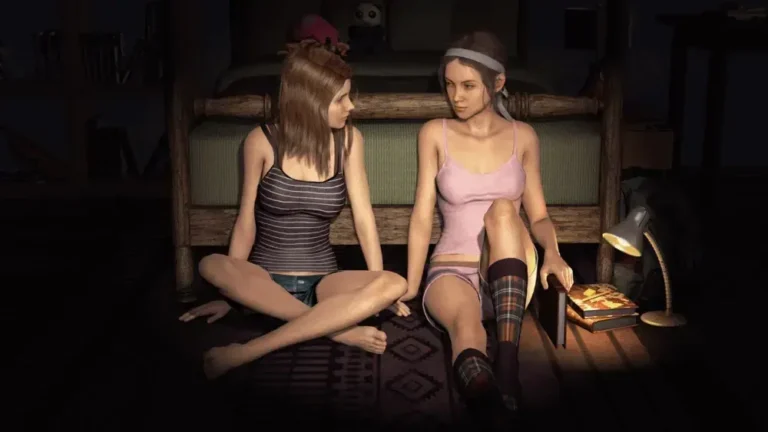
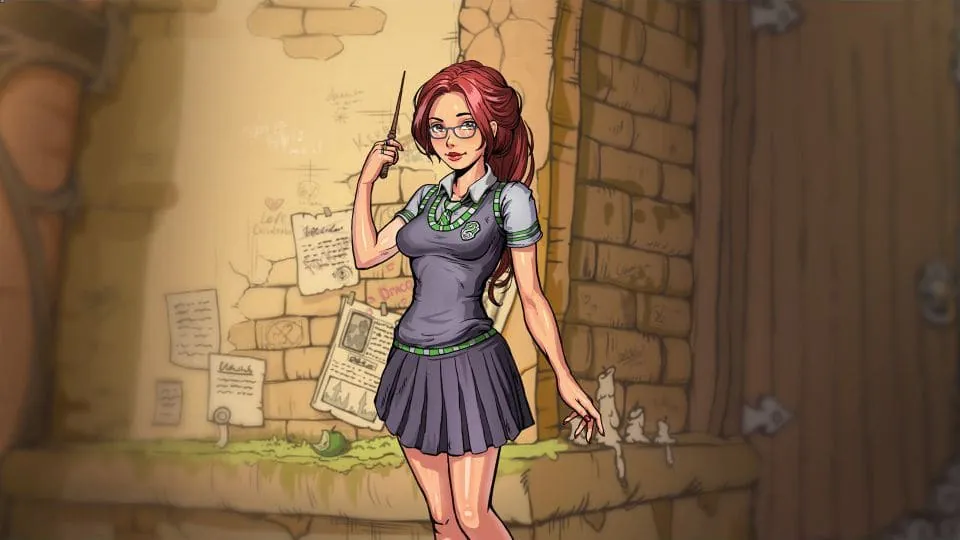
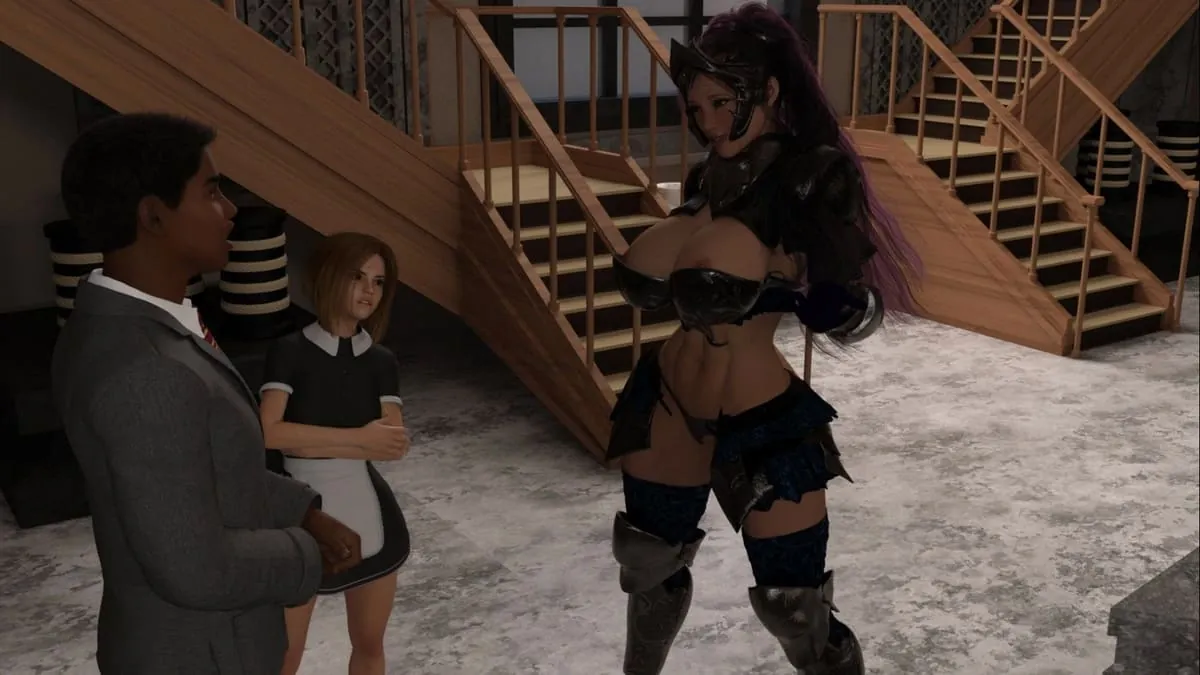
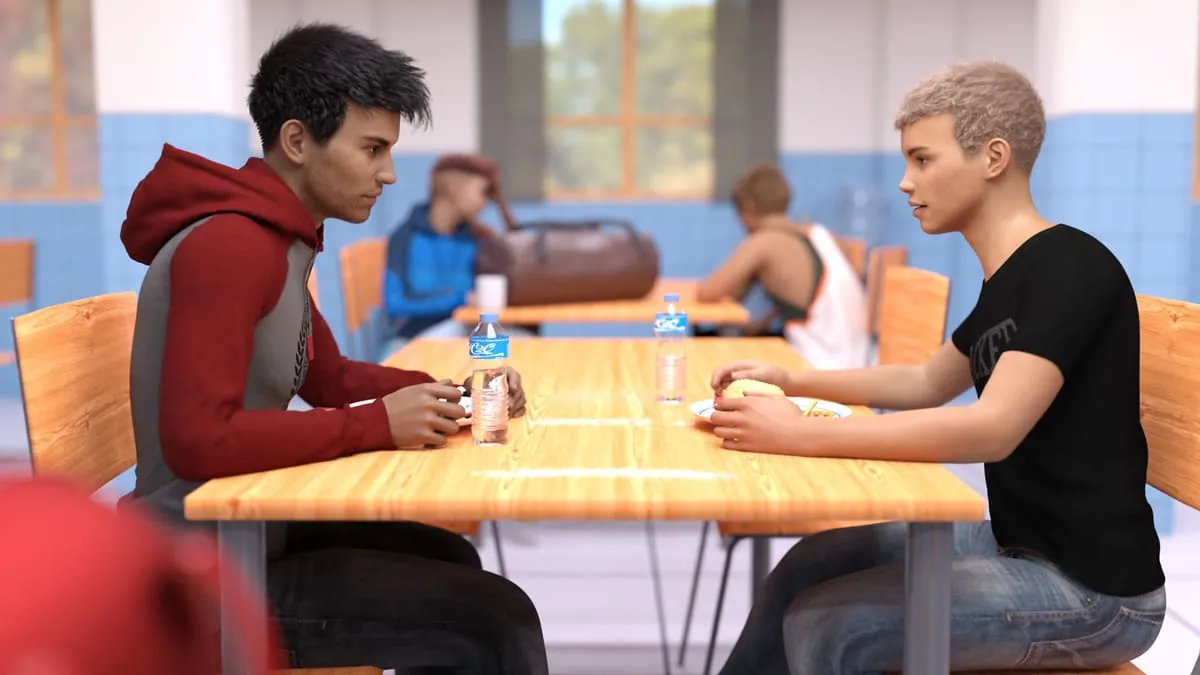
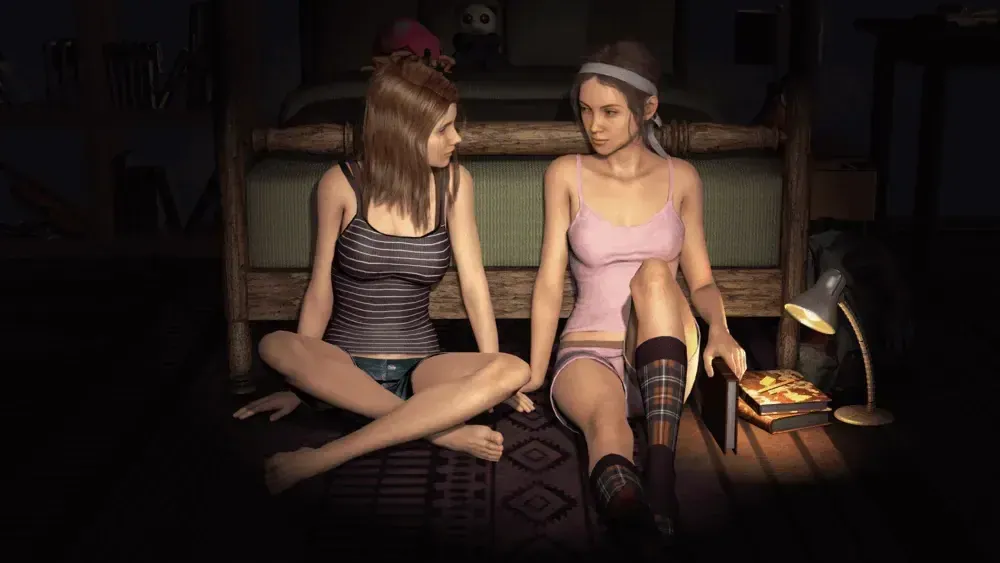
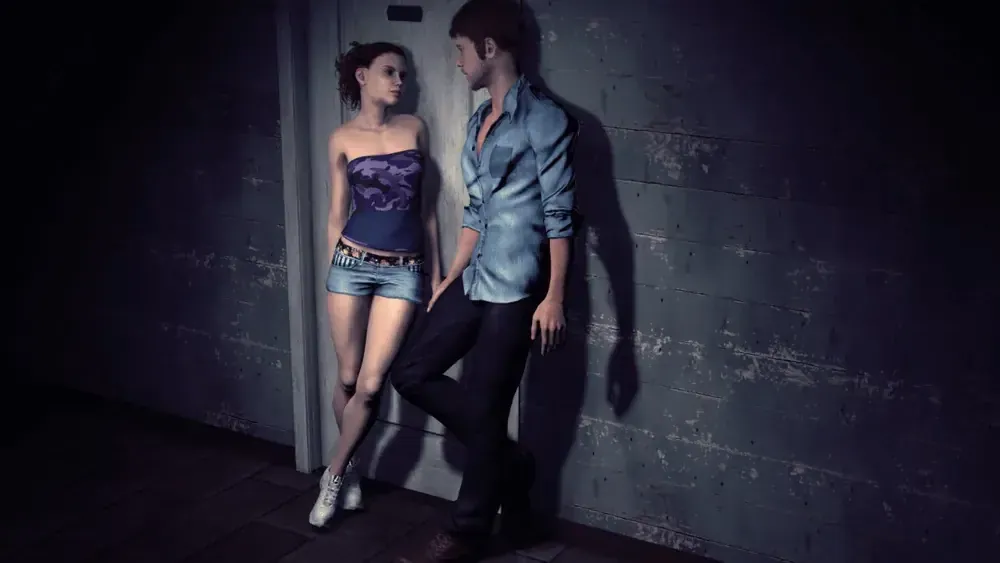
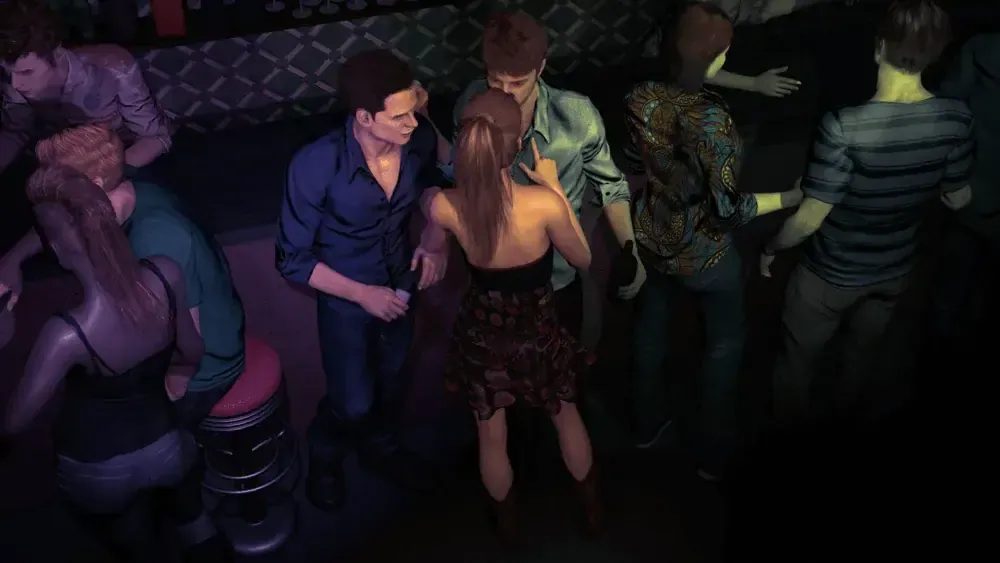
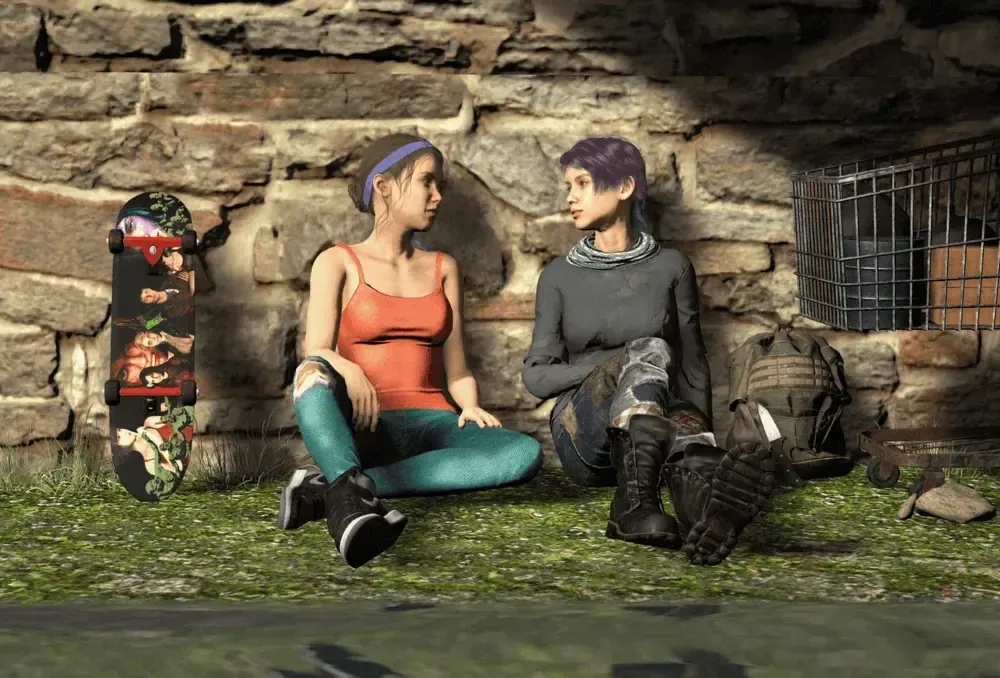
Short Sad Stories Screenshots

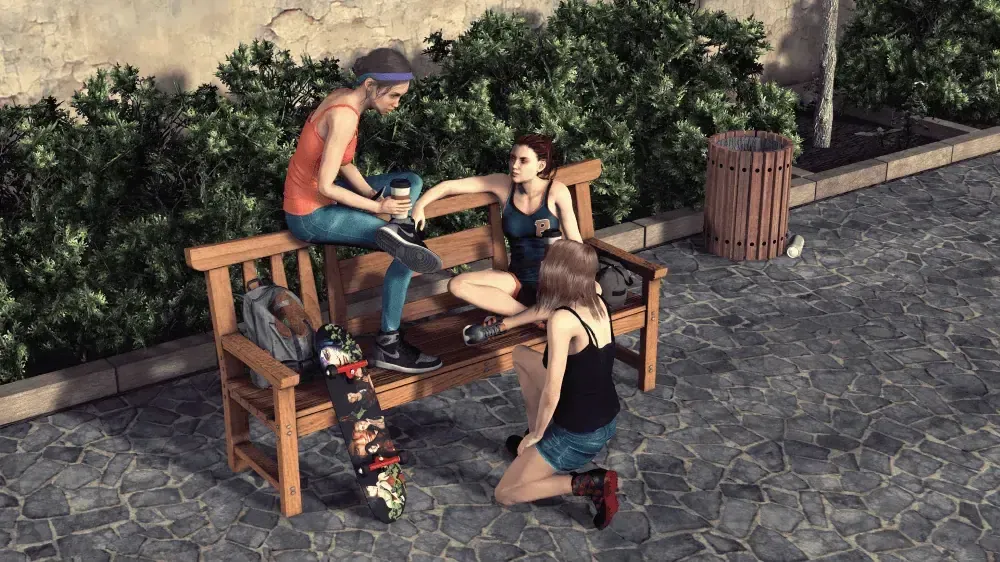
Short Sad Stories review
A clear look at the story, tone, and player experience
Short Sad Stories is a narrative-driven game built around emotional choices, difficult situations, and a heavy story tone. If you are looking for a simple explanation of what Short Sad Stories is about, how it plays, and what kind of experience it offers, this guide is meant to make that easy to understand. I first came across games like this when I wanted something that felt more personal than fast-paced, and what stood out was how much the story itself shaped the entire experience. In this article, I’ll break down the game’s core idea, the way its scenes are structured, and what players can expect before starting.
What Is Short Sad Stories?
If you’ve ever picked up a game hoping for a lighthearted escape, Short Sad Stories is the opposite of that — and that’s exactly why people love it. This isn’t a game about winning or leveling up; it’s a deeply personal, story-driven experience that asks you to sit with uncomfortable emotions and make choices that linger long after the credits roll. I remember the first time I played through a similar title; I closed my laptop and just stared at the wall for ten minutes. That’s the kind of emotional weight Short Sad Stories delivers. It’s a game designed for players who want their entertainment to hurt a little — in a good way.
What kind of game is Short Sad Stories?
At its core, Short Sad Stories is a dark narrative game that blends the structure of a visual novel with interactive decision-making. You don’t run, jump, or fight. Instead, you read, reflect, and choose. Each scene unfolds like a page from a somber novella, with atmospheric artwork and minimal interface. The game belongs squarely to the emotional story game category, where the main draw is the writing and your emotional investment rather than mechanics or combat.
The pacing is deliberately slow. Scenes breathe, silence is used as a tool, and the story waits for you to absorb each moment. Think of it as a Short Sad Stories visual novel where every click carries potential consequence. The atmosphere is heavy — muted colors, soft soundscapes, and dialogue that feels painfully real. There’s no hand-holding; the game trusts you to connect the dots yourself. This makes it ideal for players who appreciate subtle storytelling and want a story-driven game that doesn’t sacrifice depth for action.
“It’s not about making you cry. It’s about making you feel something honest.”
The emotional intensity ranges from melancholic to crushing. Some scenes hit you like a wave, while others creep up gradually. The game doesn’t offer happy endings by default — it respects your decisions, even when they lead to heartbreak. That’s the hallmark of a true Short Sad Stories game: it lets you own the outcome, for better or worse.
What story themes does Short Sad Stories focus on?
The Short Sad Stories story revolves around themes of loss, regret, and fractured relationships. You step into the shoes of characters dealing with grief — a parent missing a child, a friend after a betrayal, a lover after a terrible mistake. The narrative doesn’t shy away from raw, uncomfortable truths. One thread might explore the quiet loneliness of moving on, while another forces you to confront a secret that changes everything.
The game leans heavily into dark narrative game territory, but it never feels exploitative. The sadness is earned, not thrown in for shock value. Topics like mental health, abandonment, and sacrifice appear naturally, woven into character-driven moments. The emotional story game element shines brightest when you’re forced to choose between two painful options — say, telling a hard truth or protecting someone with a lie.
Each chapter of the Short Sad Stories story functions like a standalone vignette, yet they’re connected by a thread of human fragility. The writing embraces ambiguity; not everything is resolved. Some endings are open, leaving you to wonder what could have been. That ambiguity is intentional — it mirrors real life, where closure isn’t guaranteed. For players seeking a story-driven game that treats them like adults, this approach feels refreshing.
Why do players search for Short Sad Stories?
People come looking for Short Sad Stories for a variety of reasons, but most share a common hunger for authenticity. In a market flooded with power fantasies and endless grinds, a quiet, emotionally honest game stands out. Many players search for this title after feeling disillusioned with shallow narratives. They want a Short Sad Stories visual novel that respects their intelligence and their heart.
The main driver is curiosity about the tone. Screenshots and trailers hint at the somber mood, but players want to know how that mood feels in practice. Is it too heavy? Is there any hope? The answer is nuanced: yes, it’s heavy, but the heaviness is balanced by moments of gentle beauty — a shared laugh, a quiet apology, a fleeting memory of better times. That balance makes the emotional story game label feel earned.
Another reason is the search for a dark narrative game that doesn’t rely on gore or horror. This isn’t about jump scares; it’s about psychological depth. Players who enjoy introspective fiction, literary novels, or slow-burn dramas find a natural fit here. The game also appeals to those who want to reflect on their own experiences through the lens of the Short Sad Stories story. It invites you to ask, “What would I do?”
Finally, the low barrier to entry attracts newcomers to the genre. Since there’s no complex gameplay, anyone can jump in and focus on the narrative. If you’ve ever wondered what it’s like to play a story-driven game that prioritizes character over combat, Short Sad Stories offers a perfect entry point.
FAQ
What is Short Sad Stories?
It’s a story-driven game that combines elements of a visual novel with interactive choices. You read through emotionally charged scenes and make decisions that shape the narrative, all within a dark, atmospheric setting.
What genre does Short Sad Stories belong to?
The game is classified as a Short Sad Stories visual novel and a dark narrative game. It focuses on text-based storytelling, character development, and emotional impact rather than action or puzzles.
Who is Short Sad Stories for?
It’s for players who appreciate emotional story game experiences — those who enjoy literary fiction, don’t mind a slower pace, and are open to exploring grief, loss, and regret in a safe, interactive space. If you prefer cheerful endings or fast gameplay, this may not suit your taste.
Short Sad Stories is best understood as a story-first game built to deliver an emotional, unsettling, and personal experience. Its appeal comes from the way it focuses on mood, character moments, and difficult situations rather than fast action or complex mechanics. If you enjoy games that lean into feelings and narrative tension, this one is worth a closer look. The best way to approach it is with an open mind and an expectation of a quieter, more reflective kind of play. If that sounds like your style, this game may be exactly the kind of short experience you have been looking for.