Play Thirty Days
Thirty Days Screenshots


















Thirty Days review
Story, characters, choices and tips to enjoy Thirty Days safely and responsibly
Thirty Days is a choice-driven visual novel that follows one household through a month that changes everyone’s lives. The game mixes slice-of-life storytelling, emotional relationship building, and branching routes, giving you control over how the next thirty in‑game days unfold. When I first tried Thirty Days, I went in expecting a shallow experience, but the mix of character-driven scenes and meaningful decisions pulled me in fast. In this guide, I’ll walk you through the core story, characters, structure, and decision-making systems so you can decide if Thirty Days fits your tastes and know how to get the most out of it from day one.
Thirty Days Overview: What Kind of Game Is It?
So, you’ve heard about Thirty Days game and you’re curious. Is it a frantic life sim? A dating app in disguise? A high-stakes thriller? 🕵️ The truth is, it’s something much more focused and deliberately paced. Let’s pull back the curtain and answer the most fundamental question: what kind of experience are you actually signing up for?
At its heart, Thirty Days is a narrative-driven visual novel that zeroes in on a single, transformative month. Forget sprawling open worlds or complex skill trees. This game is about intimacy, consequence, and the quiet (and sometimes not-so-quiet) drama of shared living. You’ll step into the shoes of a protagonist who is spending exactly thirty days in a new household, navigating a web of relationships, personal goals, and daily routines. Your tools are your words and your choices, not a sword or a gun. 🏡
The magic—and the challenge—of this Thirty Days visual novel is its razor-sharp focus. By limiting the scope to one calendar month, the game creates a potent pressure cooker for storytelling. Every interaction feels weighted. Every choice to spend time with one person is a choice not to spend it with another. It’s a brilliant setup that forces you to live with your priorities, just like in real life.
What is the basic premise of Thirty Days?
The premise of the Thirty Days game is elegantly simple, and that’s its greatest strength. You are the new element in an established household. Maybe you’re a relative staying for a while, a new roommate, or someone reconnecting with old friends. The “why” can vary, but the “what” is constant: you have thirty in-game days to live your life, build connections, and see where your choices lead you.
Your time is divided between mundane responsibilities and profound personal moments. You might need to manage a part-time job, handle chores, or pursue a personal hobby. 🎨 But the core of the experience revolves around the other characters sharing the space. Each has their own personality, schedule, secrets, and needs. Your goal isn’t to “win” in a traditional sense, but to guide the story toward an outcome that feels true to the relationships you’ve cultivated.
The Thirty Days gameplay style is pure visual novel. You’ll read through beautifully presented text, accompanied by character art and backgrounds that set the scene. Progress is driven by dialogue choices and key decisions that pop up at crucial moments. Will you be assertive or reserved when a conflict arises? Do you offer help or give someone space? Do you pursue a deepening bond with one character, or try to maintain a careful balance with several?
Tip: Don’t approach your first run with a completionist mindset. You cannot see and do everything. The game is designed around missed opportunities and paths not taken, which makes each playthrough uniquely personal.
This isn’t a game about saving the world. It’s about navigating the delicate, complicated, and often messy world of human connection within a finite timeframe. That condensed narrative is what gives Thirty Days its powerful emotional punch.
How does the Thirty Days timeline and day system work?
This is where the game’s title becomes its core mechanic. The Thirty Days structure is a masterclass in creating tension and meaningful choice. Think of the month as a resource you’re constantly spending. ⏳
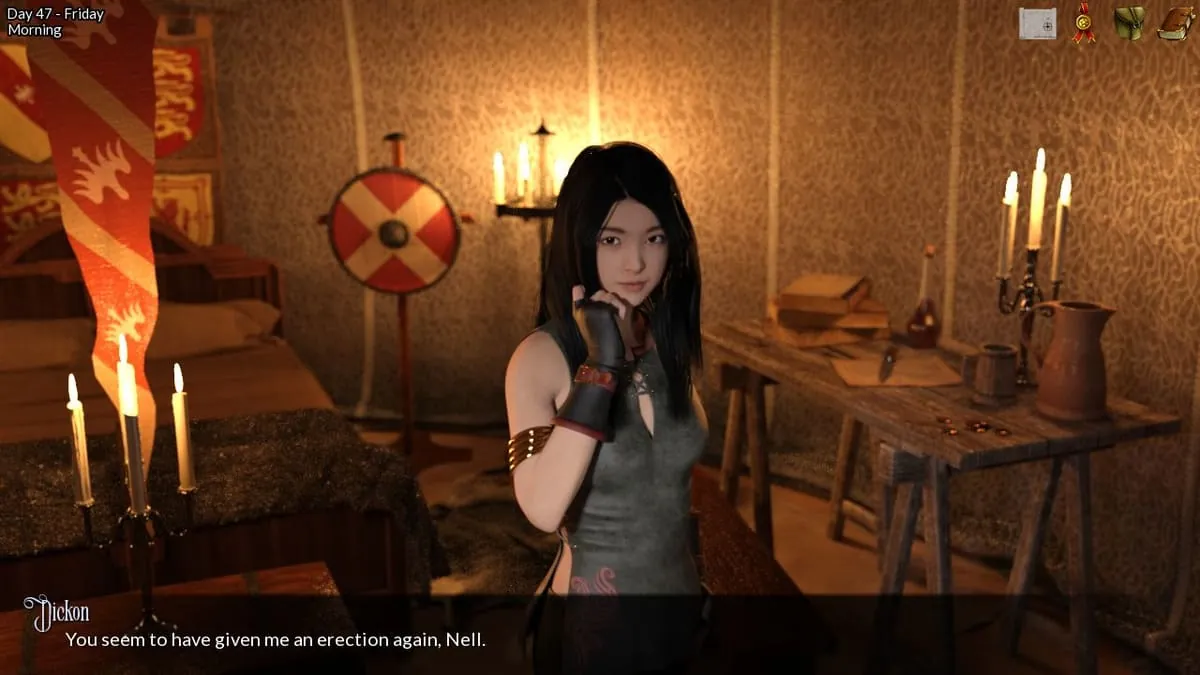
The story is broken down day-by-day. Each day is typically segmented into key time slots like Morning, Afternoon, and Evening. During these slots, you’ll be presented with opportunities: maybe a character invites you out for coffee in the afternoon, or you have the option to work on a personal project in the evening. You choose how to spend each block of time.
Here’s the critical part: many scenes are mutually exclusive. Choosing to accompany Character A to the store in the afternoon means you will miss the scene where Character B confides in you at home. This design philosophy is intentional. It means your story is truly shaped by your active choices, not by a checklist you can mindlessly complete. The limited number of days forces you to prioritize what—and who—matters most to you.
On my very first playthrough, I made the classic rookie mistake. I thought I could be everyone’s best friend. 😅 I’d rush from one character to the next, trying to trigger every possible event. By Day 10, I was exhausted, and my protagonist’s relationships felt shallow and scattered. The game subtly punished my lack of focus with missed intimate moments and weaker story payoffs. I had to restart and learn to invest my time deliberately. This “urgency by design” is what makes the Thirty Days game so compelling and replayable.
To quickly summarize the core experience, here’s a snapshot of what defines this visual novel:
| Aspect | What It Means in Thirty Days |
|---|---|
| Primary Focus | Character relationships, dialogue, and narrative consequences. It’s a story-first experience. |
| Core Structure | A strict 30-day calendar with time-slot management. You choose how to spend each period. |
| Replayability | Very High. Mutually exclusive scenes and multiple endings encourage new playthroughs to explore different paths. |
| Difficulty/Pacing | Pacing is deliberate and thoughtful. “Difficulty” comes from managing time and navigating complex social situations, not from quick-time events or puzzles. |
Let’s make this concrete with an example of how a single day might unfold, based on my second, more focused playthrough:
- Morning (9:00 AM): The alarm buzzes. I choose to have breakfast in the kitchen. 🍳 Character X is there, looking stressed about an upcoming work deadline. I’m given a choice: Offer to help them later or Suggest they take a day off. I choose to offer help, which unlocks an option for the afternoon.
- Afternoon (1:00 PM): I now have two time slots. For the first, I can either: 1) Fulfill my promise to help Character X, or 2) Go shopping with Character Y who mentioned it yesterday. I choose to help Character X. This builds trust with them, but I notice Character Y looks a bit disappointed when I see them later.
- Evening (7:00 PM): After helping Character X, they’re grateful and open up about their past, leading to a tender, important scene that wouldn’t have happened otherwise. The evening closes with the group watching a movie together, a small slice-of-life moment that reinforces the feeling of shared space.
This flow—choice, consequence, character development—is the essential loop of the Thirty Days gameplay style. A small morning decision rippled out to define my entire day and deepen a specific relationship.
Who is Thirty Days really made for?
Now for the big question: is Thirty Days worth playing? And more specifically, who is Thirty Days for? This isn’t a game for everyone, and that’s okay. Knowing its audience helps set the right expectations. 🎯
First, let’s address how long is Thirty Days game. A single playthrough, if you’re reading at a natural pace and not rushing, might take you anywhere from 6 to 10 hours. But that’s just for one path. The real value emerges across multiple playthroughs, where you can easily double or triple that time as you explore new choices and endings. It’s a deeply replayable experience, not a one-and-done epic.
This Thirty Days visual novel is made for players who:
* Love Story and Character: If you read the last sentence of a novel slowly because you don’t want it to end, this game is for you. It’s for players who want to unpack character motivations and savor interpersonal dynamics.
* Embrace Slice-of-Life and Tension: The tone blends comforting domestic moments with emotionally charged, sometimes morally gray decisions. It’s relaxed until it isn’t—perfect for players who enjoy that slow build.
* Enjoy Active Participation in Narrative: You’re not just watching a story; you’re directing its flow through your choices, even if the impact isn’t always immediately obvious.
* Are Mature and Self-Aware: The game deals with complex relationships, romantic tension, and adult situations. It’s aimed at mature players comfortable with nuanced, sometimes messy human interactions.
Responsible Play Advice: Always check the content descriptors and community guidelines for the platform you’re using. Use any available in-game or platform settings to tailor the experience to your comfort level. Enjoying a story safely and responsibly is the priority.
It is not for players seeking constant action, strategic resource management (beyond time), or straightforward power fantasy. If you need a game to be a constant thrill ride, you might find the pacing of Thirty Days too deliberate.
So, is Thirty Days worth playing? If the idea of a thoughtful, relationship-focused narrative within a tight, consequential timeframe intrigues you, then absolutely. Its fixed structure is a feature, not a bug. It creates a unique space where small, early choices—like who you have coffee with on Day 3—can subtly reshape your entire month, leading to profoundly different conclusions. That’s the distinct magic of the Thirty Days game: a complete, impactful story arc that fits inside a single calendar month, yet feels as expansive as the relationships you choose to build within it.
Thirty Days stands out because it turns a simple month-long premise into a web of personal choices, clashing priorities, and emotional payoffs. Once you understand how the fixed day limit, branching routes, and relationship dynamics work, it becomes much easier to relax and follow the story you genuinely want instead of trying to unlock everything at once. If the idea of guiding one household through thirty intense days of conversations, decisions, and consequences appeals to you, give yourself permission to dive in, make honest choices, and then come back for fresh runs when you’re ready to explore different paths and see how else those same thirty days can unfold.