Monster Girl Dreams
Play Monster Girl Dreams
Monster Girl Dreams Screenshots
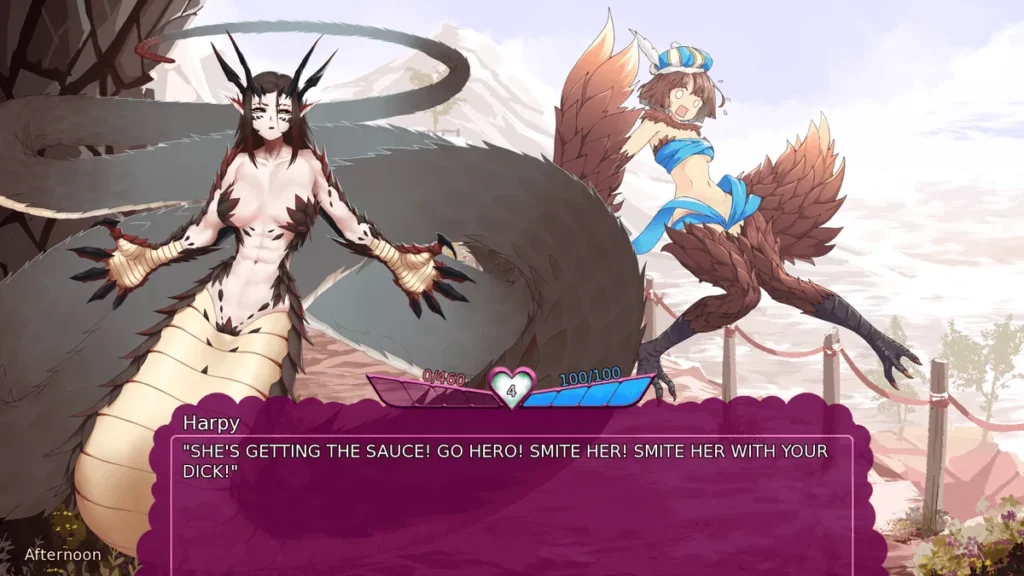
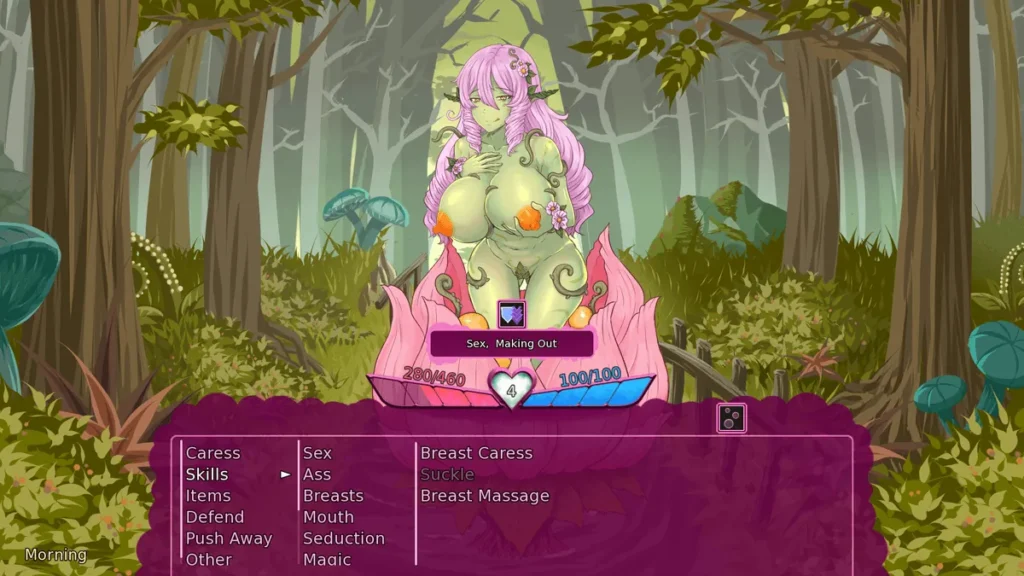
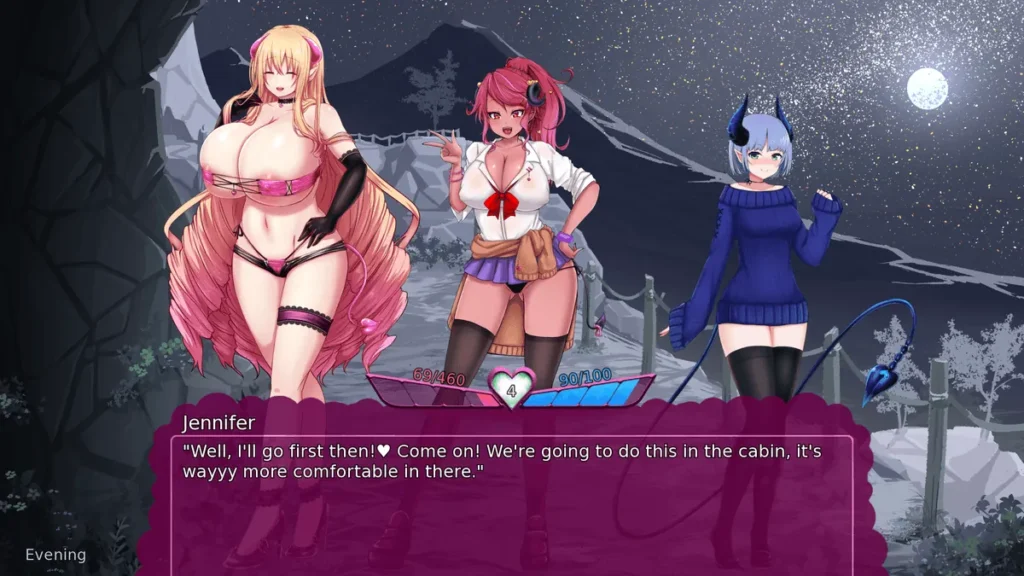
Monster Girl Dreams review
Explore mechanics, strategy tips, and what makes this indie title unique
Monster Girl Dreams stands out as a distinctive indie title that combines strategic gameplay with narrative depth. This guide explores the core mechanics, progression systems, and what players need to know to navigate the game effectively. Whether you’re new to the title or looking to optimize your playthrough, understanding the fundamental systems will enhance your experience. The game presents unique challenges that require both tactical thinking and resource management, making it essential to grasp how different systems interact.
Core Gameplay Mechanics and Systems
Let’s be real. When you first boot up Monster Girl Dreams, you might think you’ve got a handle on things. It seems like a straightforward adventure, right? 😅 Well, I learned the hard way that this game’s depth can sneak up on you. Its unique blend of risque fantasy and surprisingly strategic Monster Girl Dreams gameplay mechanics creates an experience that’s equal parts charming and punishing.
This chapter is your survival manual. We’re going deep on the systems that make this indie title tick, from the turn-based Monster Girl Dreams combat system to the ever-looming Monster Girl Dreams debt system. Understanding these isn’t just helpful—it’s the difference between achieving your dreams and suffering a very… permanent game over. So, grab your gear, and let’s break down everything you need to master this world.
Understanding the Combat and Progression System
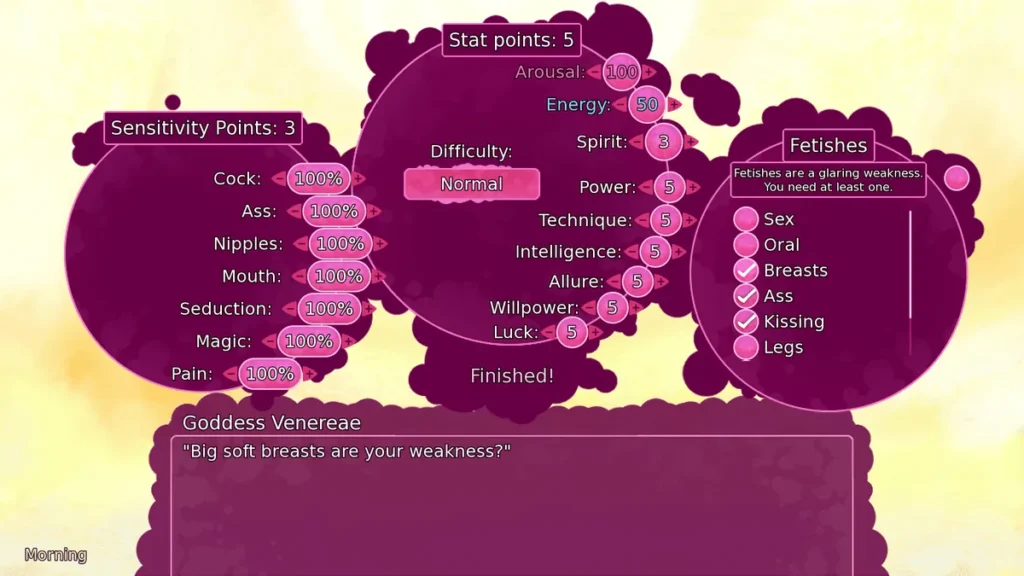
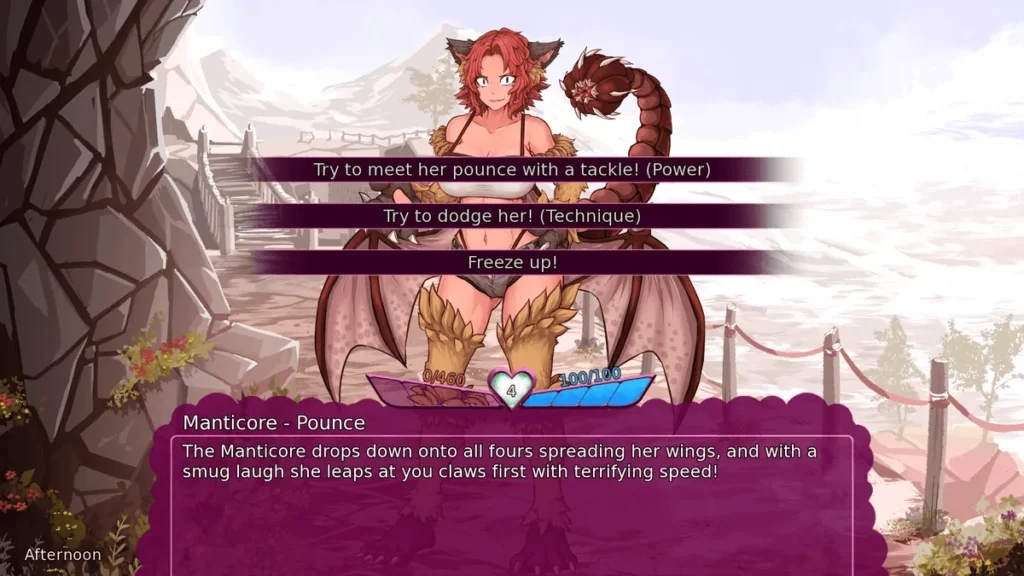
At its heart, the Monster Girl Dreams combat system is a classic turn-based RPG affair, but with a tantalizing twist. You and your monstrous opponent take turns selecting actions from a menu: Attack, Guard, use a Skill, or try to Flee. Your success in battle hinges on two core stats: Attack (ATK) and Defense (DEF). Simple enough? Here’s where it gets interesting.
Most enemies have a hidden “Willpower” or morale meter. Landing hits, especially with powerful skills, depletes this. Once it’s low enough, you can attempt a Taming move. Succeed, and you win the encounter, often earning greater rewards and unlocking new story scenes. Fail, and the fight continues. This risk-reward layer adds a fantastic strategic element beyond just dealing damage. Do you go for the quick knockout, or play the long game to try for a Tame?
Now, let’s talk about how to level up in Monster Girl Dreams. Progression is directly tied to this loop:
1. Fight Enemies: Gain Experience Points (EXP).
2. Accumulate EXP: Reach a threshold to gain a Level.
3. Spend Stat Points: Each level grants points to invest in ATK, DEF, HP, or SP (Skill Points).
This is the core of any Monster Girl Dreams progression guide. But here’s the critical catch—and the source of many player frustrations—the Monster Girl Dreams difficulty scaling. Enemies do not scale to your level. Instead, each area has a fixed difficulty range. This means grinding in a safe starting zone can make you overpowered for that area, but the next dungeon will always present a brutal spike.
🚨 Personal Insight: I made the classic mistake of over-grinding early on, thinking I was smart. I waltzed into the second dungeon, the infamous Forest of Whispers, and got completely wrecked by enemies whose stats were balanced for a much more skilled player, not just a higher-level one. The game tests your understanding of its mechanics, not just your patience for grinding.
This brings us to the golden rule: balanced progression is key. Don’t just level up; plan your build. Investing heavily in ATK can help end fights faster before you take too much damage, while a high DEF build can let you outlast opponents to land a Tame. Your skill selection complements this. The Monster Girl Dreams gameplay mechanics are designed to make you think before you mash the attack button.
Resource Management and Debt Mechanics
If combat is the heartbeat, then the Monster Girl Dreams debt system is the ticking clock that drives the entire narrative. This isn’t a side quest; it’s the main objective. You start the game with a colossal debt to a mysterious benefactor, and you have a set number of in-game days to pay it off.
Your primary source of income? Battling. Every monster you defeat (or tame) grants you Gold. The cycle is relentless:
* Earn Gold from encounters and quests.
* Manage Daily Living Costs (food, lodging).
* Make Periodic Debt Payments at the guild.
This system creates a brilliant push-pull dynamic. You need to venture into dangerous areas for bigger payouts, but doing so risks losing days to recovery if you’re defeated. Spending all your money on better equipment leaves you short for your payment. It’s a constant, engaging balancing act that makes every financial decision feel weighty.
Think of it as the core strategic layer over the Monster Girl Dreams gameplay mechanics. You can’t just fight mindlessly. You need a financial strategy. Here’s a piece of actionable advice from my own playthrough:
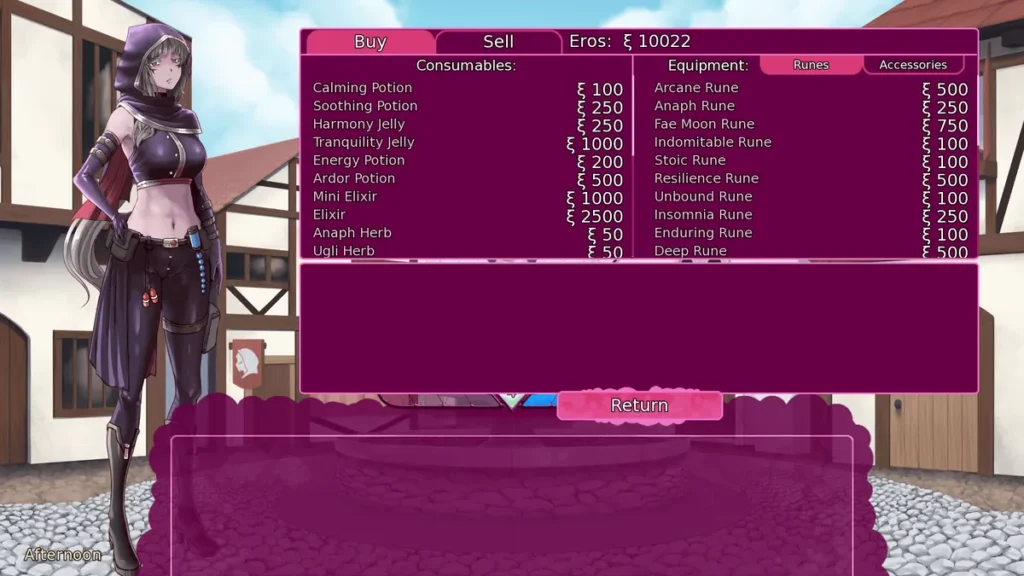
- Early Game: Focus on low-risk areas to build a small financial cushion. Always budget for at least one extra payment before splurging on gear.
- Mid Game: Identify which dungeons offer the best Gold-to-Danger ratio. Sometimes, a slightly harder area with more lucrative enemies is worth the risk.
- Always Keep a Reserve: Unexpected losses happen. Having gold in the bank for a bad week can save your run.
The pressure of this system is what makes the world feel alive and urgent. It connects directly to the guild, which acts as your hub for payments, quests, and hints about money-making opportunities. How you manage this debt ultimately dictates which ending you’ll see, weaving the economic mechanic directly into the narrative fabric.
Game Over Conditions and Multiple Endings
Ah, the “game over.” In many RPGs, it means a reload. In Monster Girl Dreams, it’s often a narrative conclusion—and some are very, very final. Understanding these is crucial, as they represent the stakes of every decision you make.
There are two primary ways your journey can end “prematurely”:
- Financial Ruin: Fail to make your debt payment on time. This is the most common end for new players who don’t respect the Monster Girl Dreams debt system.
- Total Physical/Willpower Loss: Lose a battle catastrophically. When certain conditions are met in combat (often linked to losing after your will is broken), you may trigger a specific Monster Girl Dreams game over ending.
These endings are often elaborate, character-specific scenes. But the most famous—and feared—is the Dark Perpetua ending. This isn’t just a scene; it’s a permanent fate. If you fall to the dark elf Perpetua under specific circumstances, your save file is marked. Your character becomes her permanent slave, and that run is essentially sealed. You can continue to play in this doomed state, but the true goal of freedom is lost forever. It’s a stunning, ruthless consequence that makes every encounter with her incredibly tense.
The guild also plays a role in endings. Your reputation and choices there can unlock different conclusion paths, from achieving true freedom to finding other, less dire forms of “employment.”
To help you keep track, here’s a breakdown of common ending triggers:
| Ending Type | Common Trigger Condition | Result |
|---|---|---|
| Debt Default | Failing to pay the weekly debt installment. | Game Over. Your assets are seized, and your story ends in servitude. |
| Standard Game Over | Losing a battle and surrendering completely. | Character-specific capture ending. Usually allows reloading. |
| “Dark Perpetua” (Permanent) | Being decisively defeated by Perpetua after prolonged engagement. | Permanent slave ending. Saves your file in this state; the main goal is lost. |
| Guild-Based Ending | Completing the main quest with specific guild reputation or choices. | Various narrative conclusions, from freedom to new beginnings. |
This variety in conclusions makes every battle feel risky and every financial decision critical. It’s a masterclass in making gameplay consequences narratively meaningful.
FAQ: Conquering the Grind and the Difficulty
Q: I’m stuck! The second dungeon is too hard. What am I missing?
A: Welcome to the club! 😩 The Forest of Whispers is a notorious wall. This is where Monster Girl Dreams difficulty scaling rears its head. You likely need to stop grinding levels and start grinding knowledge. Revisit earlier areas to practice Taming for bonus gold, ensure your gear is upgraded, and carefully plan your stat points. A pure ATK build might falter here; consider raising DEF or HP to survive longer. Sometimes, running from a tough fight is the smartest Monster Girl Dreams gameplay mechanics strategy.
Q: What’s the most efficient way to grind for gold and levels?
A: Balance is everything. Find an area you can clear reliably without needing to heal much. Focus on enemies you can consistently Tame for bonus rewards. Don’t ignore guild side-quests! They offer good gold and sometimes direct stat boosts. Remember, the best Monster Girl Dreams progression guide tip is to prioritize gold for your debt first, then spend surplus on stat-boosting items or gear.
Q: How do I avoid the permanent “Dark Perpetua” ending?
A: The best defense is a good offense. When you face her, come prepared with high Willpower and strong gear. If the battle turns against you, do not hesitate to flee. There’s no shame in retreat. Saving before challenging her is also non-negotiable. This ending is designed to punish overconfidence, so respect her as the major threat she is.
Q: Is there a way to make the debt easier to manage?
A: Absolutely. Your Monster Girl Dreams debt system strategy should include creating a weekly budget. Know exactly how much you need for living costs and the payment. Any gold above that is your “risk capital” for upgrades or exploring new areas. Always have a safe fallback dungeon you can run to generate quick cash if you’re short as the payment deadline looms.
Mastering Monster Girl Dreams isn’t about being the strongest right away. It’s about understanding the intricate dance between its combat system, its punishing difficulty scaling, and the relentless pressure of its debt system. It’s about learning from each “game over” and planning your progression with care. When these systems click, the satisfaction is immense—you’re not just playing a game, you’re outsmarting a beautifully crafted, diabolical machine. Now, get out there and start earning. Your freedom depends on it. 💪✨
Monster Girl Dreams offers a complex blend of strategic gameplay and narrative choices that reward careful planning and persistence. The game’s difficulty scaling and multiple ending system create replay value for players interested in exploring different outcomes. Understanding the core mechanics—from combat progression to the debt system—is essential for success. The various game over conditions, including the unique Dark Perpetua ending, demonstrate how player choices significantly impact the overall experience. Whether you’re tackling the challenging second dungeon or working toward specific endings, mastering these fundamental systems will enhance your enjoyment and help you achieve your desired outcome.